A Memory I Didn’t Expect to Come Back First
Some photography assignments stay with you because of the images.
Others stay with you because you are still slightly surprised you made it back outside.
Photographing inside a prison was one of those.
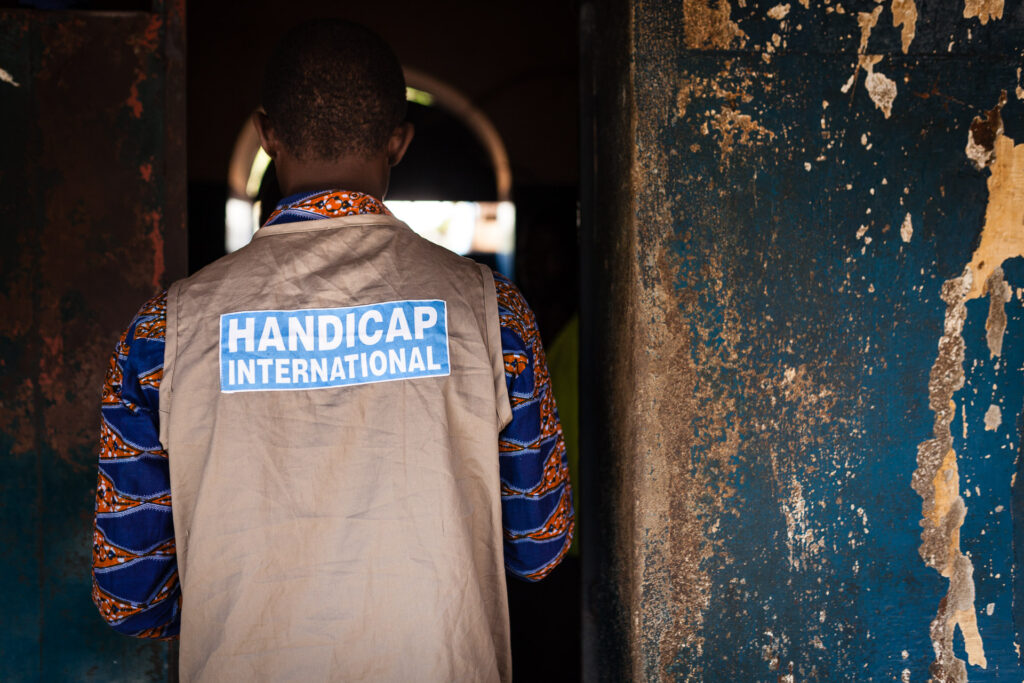
This assignment was for Humanity & Inclusion, formerly known as Handicap International, an international NGO working on inclusion, disability support, rehabilitation, and mental health programs around the world. Inside prisons, their work focuses on psychological support, dignity, and helping prisoners prepare for life after incarceration — because leaving prison does not automatically mean reintegration into society.
I expected difficult conditions.
I expected emotional stories.
I expected heavy security.
What I did not expect was a prisoner telling me:
“If you don’t buy a bracelet from me… you won’t leave the prison.”
Entering Another World
The atmosphere changed the second the prison door closed behind me.
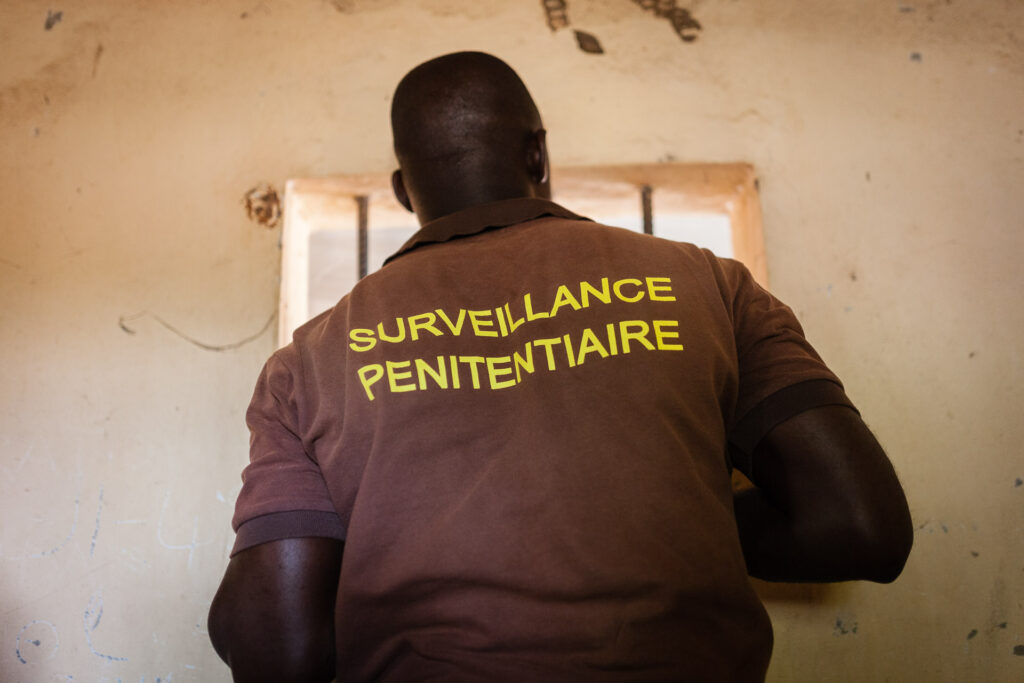
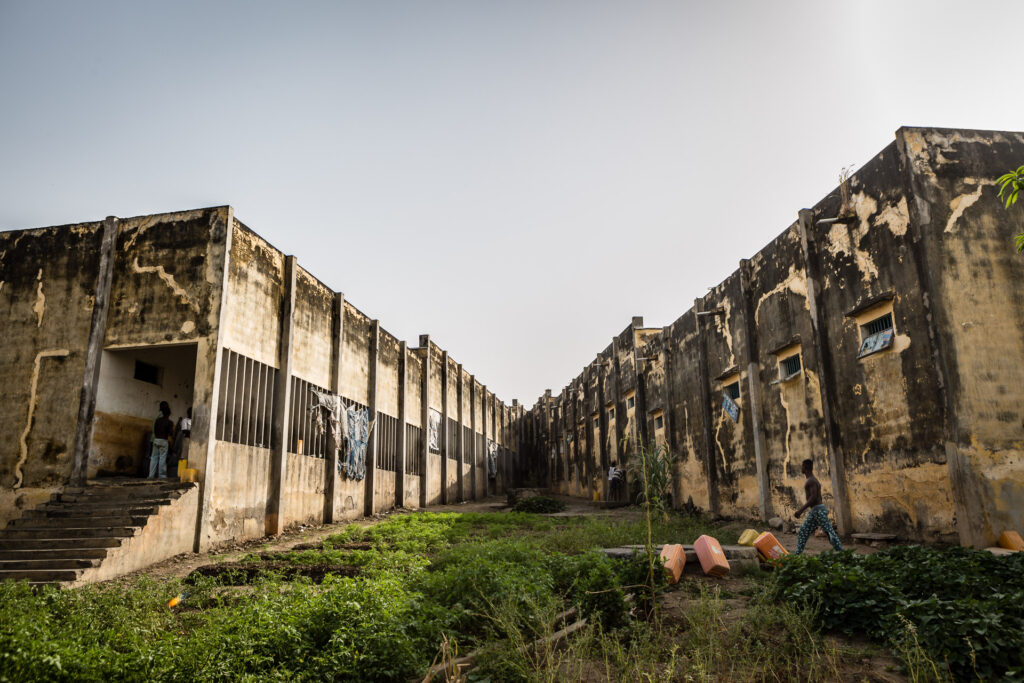
Inside the prison, security guards would not enter at all. Order was managed internally by prisoners looking after other prisoners. So from the beginning, I was escorted by two inmates assigned to stay with me while I photographed inside.
As a photographer, you usually try to blend into the environment.
Inside a prison, blending in is impossible.
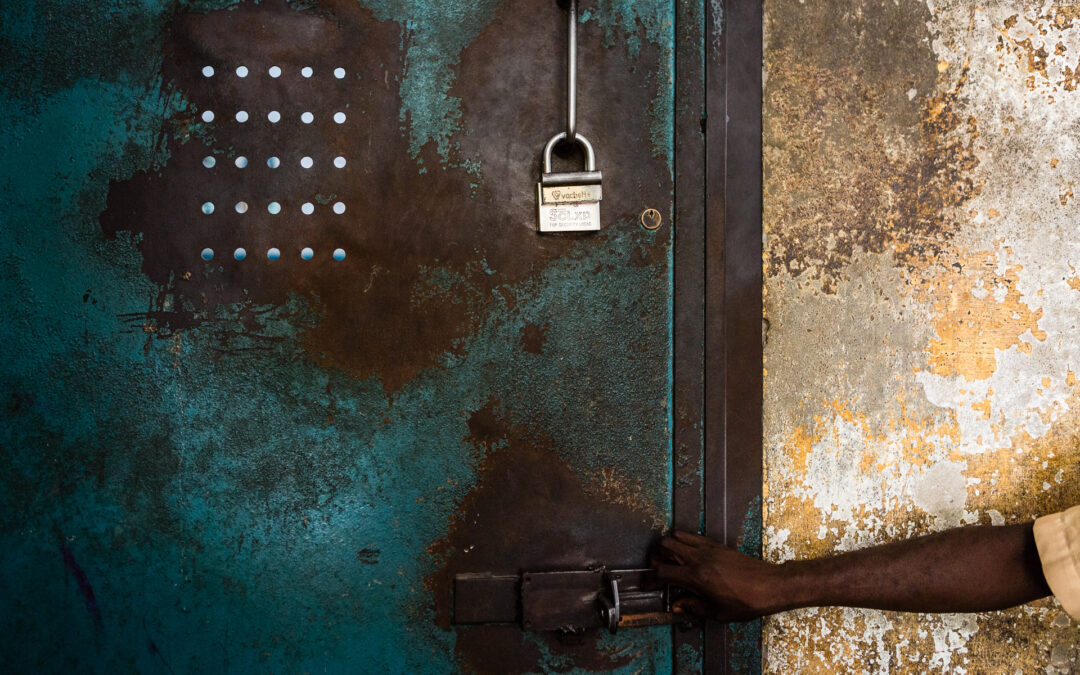
The first heavy metal door opened into the shower area, and suddenly I felt like I had walked directly into a movie scene.
Steam filled the room.
Voices echoed against the concrete walls.
Half-visible silhouettes moved through the humidity.
Everyone looked at the outsider carrying a camera.
My first thought was immediate:
This is Oz.
Not the magical one — the brutal HBO prison series.
For a few seconds, it honestly did not feel real. It felt cinematic, tense, unpredictable… except there was no screen separating me from the reality of it.
And yes, at that moment, I felt unsafe.
The Bracelet Guy
Then came the bracelet salesman.
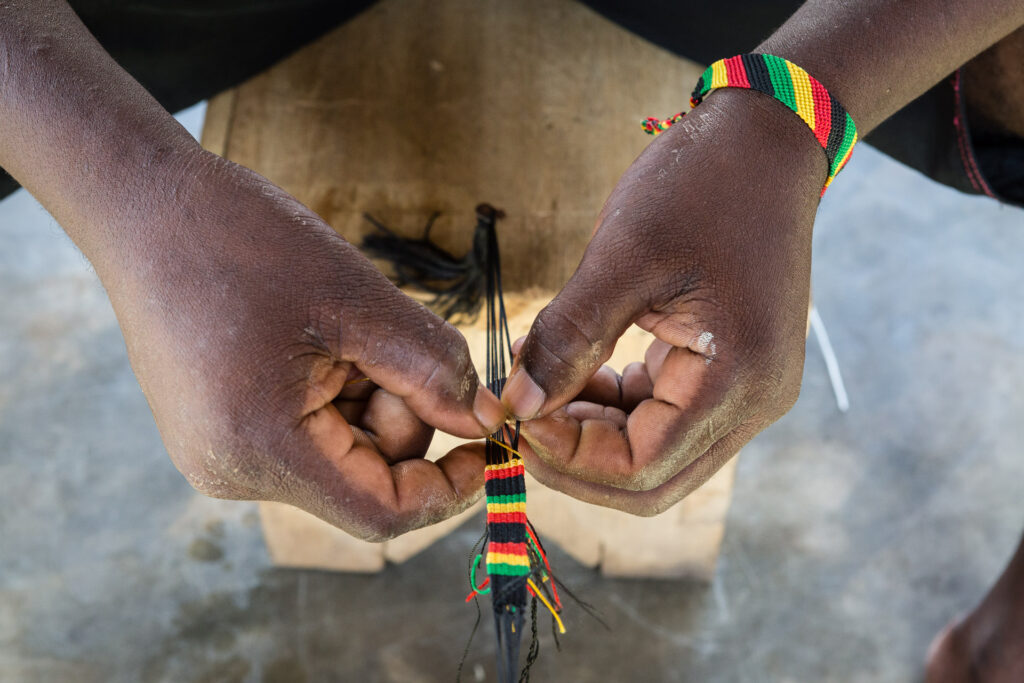
Almost immediately after entering the prison, one inmate started following me everywhere. At first, he was smiling, friendly, showing me handmade bracelets he was selling inside.
“Buy bracelet?”
“Good price.”
“Nice souvenir.”
I politely refused.
He kept following me.
Corridor after corridor.
Room after room.
Always nearby.
Then after some time, he smiled and said in French:
“Si tu n’achètes pas un bracelet… tu ne sortiras pas de la prison.”
“If you don’t buy a bracelet… you won’t leave the prison.”
Now logically, I know he was probably joking.
But when you are inside a prison, escorted by inmates because guards themselves avoid entering the whole area, your brain suddenly becomes very open to all possible interpretations.
At that exact moment, I moved significantly closer to my two escorts.
Very close.
Let’s say… close enough that they probably became the most important people in my life for the next two hours.
Cropping in Photography Under Pressure
Surprisingly though, the most stressful part was not the atmosphere.
It was photography itself.
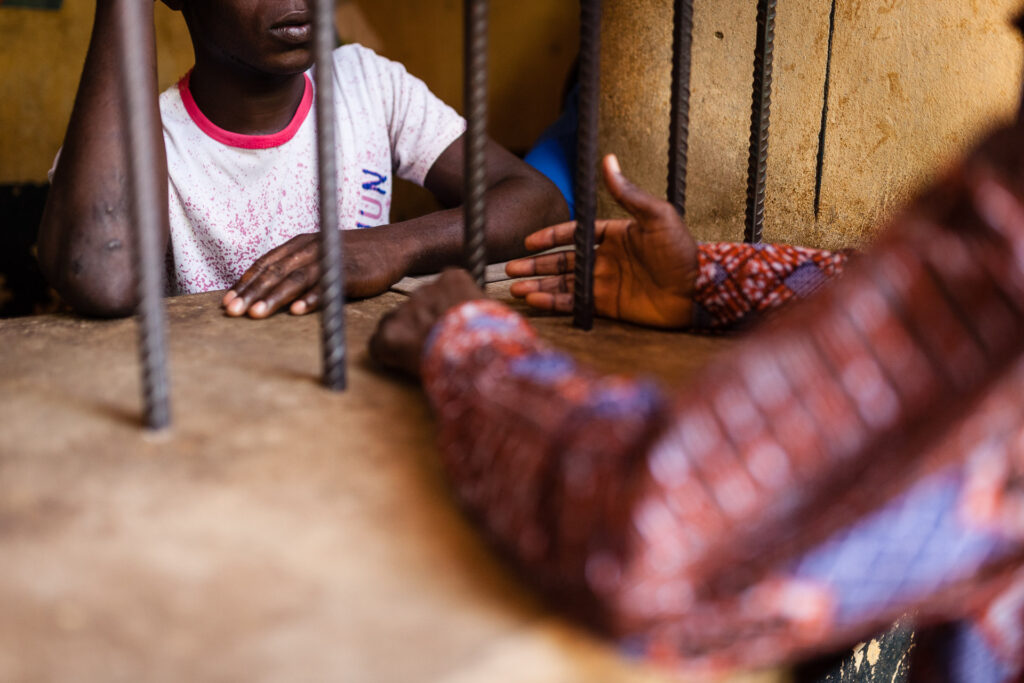
Inside the prison, I could not photograph identifiable faces without written permission, and only a few prisoners had agreed to it.
That meant every image had to be perfect directly in-camera.
No cropping afterward.
No “I’ll fix it later.”
No accidental faces in the corners.
And suddenly composition stopped being artistic theory and became survival.
Normally, during my photography workshops and tours, I constantly tell people:
“Stop relying on cropping. Move your eyes everywhere inside the frame before pressing the shutter.”
Inside the prison, I had absolutely no choice.
Because after almost every photo, prisoners would immediately walk over and inspect the image on the back of my camera.
If somebody’s face appeared somewhere in the frame — even tiny, even blurry — the photo had to go immediately.
I have never checked every corner of my composition so intensely in my entire career.
Foreground.
Background.
Reflections.
Doorways.
Shadows.
People walking unexpectedly into the frame.
Forget the rule of thirds.
This became the rule of survival.
For the first time ever, my life genuinely felt connected to my composition skills.
Photography schools should maybe add this as an advanced masterclass:
“Framing Under Extreme Pressure.”
Humanity Behind the Walls
What surprised me most was not aggression.
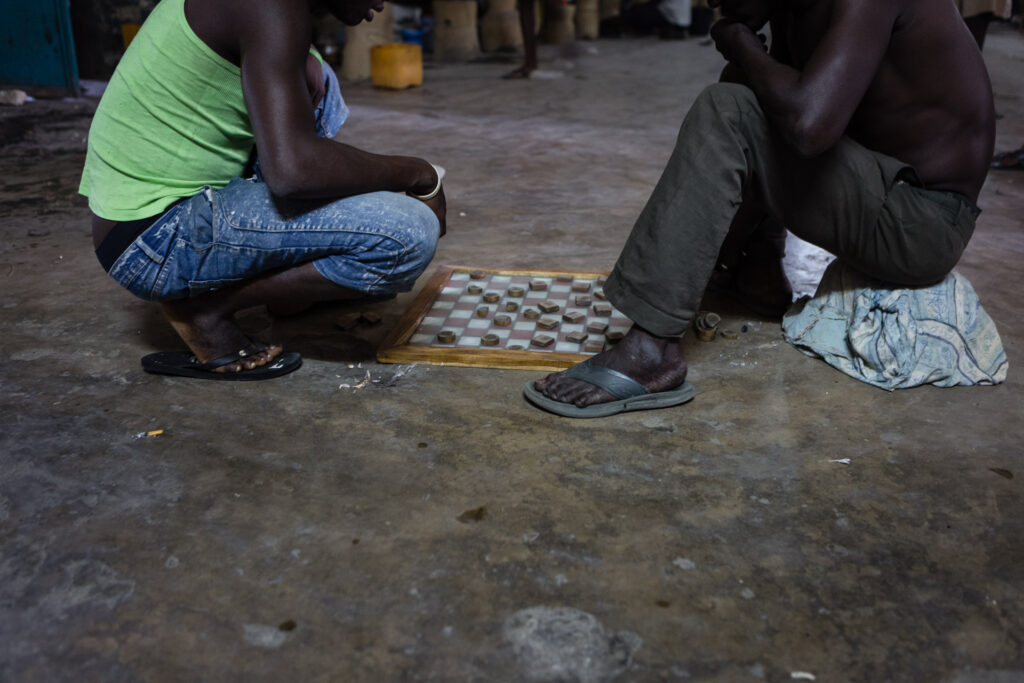
It was the strange solidarity inside.
Because guards never entered certain sections, prisoners themselves had developed systems of mutual support and internal organization. You could feel the psychological pressure everywhere — isolation, uncertainty, boredom, tension — but also moments of humanity between inmates.
This is exactly why the work of Humanity & Inclusion matters so much.
Their prison programs focus on mental health support, inclusion, dignity, and helping detainees prepare for reintegration after release. Because prison does not end at the prison gate. For many former inmates, the psychological challenges continue long after freedom returns.
Photography in this environment is not about sensationalism.
It is about observation.
About dignity.
About showing realities most people never see.
The Happy Ending
And yes… in case you are wondering:
I bought the bracelet.
At that point it felt less like shopping and more like a highly strategic life decision.
The good news is:
I left the prison safely.
I kept all my camera gear.
I avoided accidentally photographing forbidden faces.
And I returned home with what is probably the most emotionally expensive bracelet I have ever purchased.
But honestly, the biggest thing I brought back was not the bracelet.
It was the photography lesson.
To this day, whenever I tell photographers to stop depending on cropping and to train their eyes to see every corner of the composition, I think about that prison.
Because somewhere between the steam-filled showers, the tension, the bracelet negotiation, and the inmates checking every image on my screen, I learned the ultimate rule of composition:
Always check every part of your frame.
Sometimes your life depends on it.