
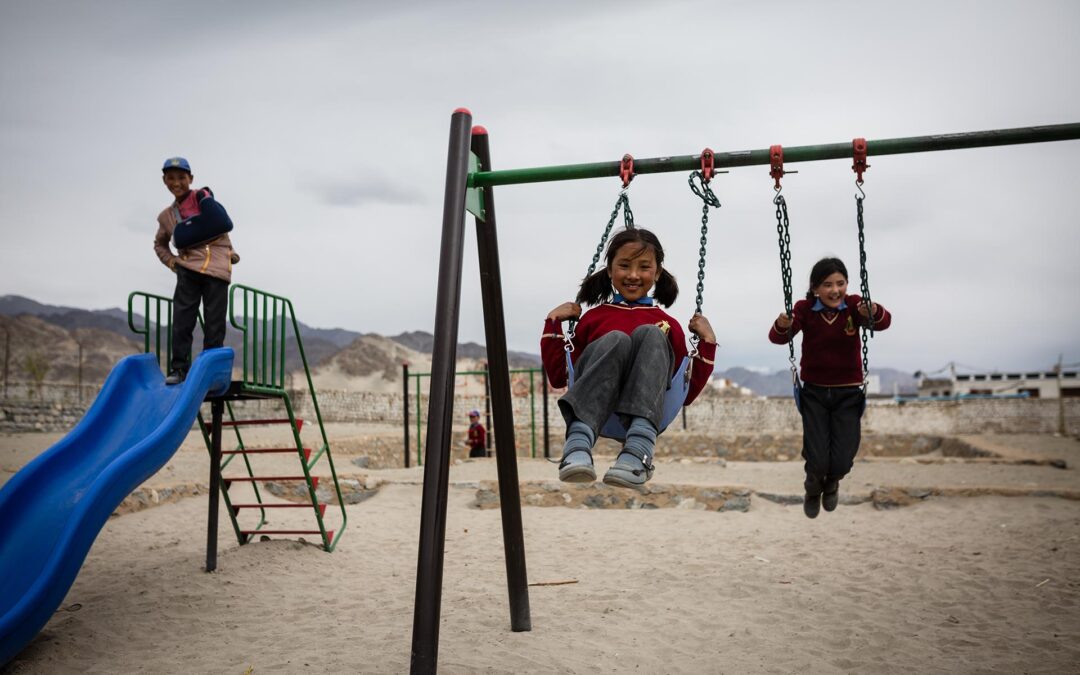
Every photographer remembers that question.
“Which lens should I buy?”
This article exists thanks to Judy, who asked me exactly that. I have to apologize, Judy—I took far too long to finally write this article, but here it is! It’s a question I hear all the time—during emails, over coffee, and especially during the photo workshops I lead with guests across Asia.
And every time, the conversation starts with gear… and ends with philosophy.
Because choosing between a 35mm and a 50mm lens on a full-frame camera is not just a technical decision. It’s a declaration of intent. It says something about how close you like to be, how much chaos you tolerate in a frame, and whether you prefer comfort—or conversation.
After years of photographing across Asia, Africa and Europe, my answer has settled naturally:
The 35mm lens is the one I use about 90% of the time.
Not because it’s better.
But because it suits the way I live photography.

Before 35mm vs 50mm: The Prime Lens State of Mind
Before we even compare focal lengths, let’s take a step back.
The real decision is not 35mm or 50mm.
It’s prime lens or zoom.
A fixed focal length lens is honest. Sometimes brutally so. It doesn’t care if you’re lazy, hesitant, or badly positioned. It just shows the truth.
No zoom ring. No excuses.
You want a different framing? Move your feet. Bend your knees. Step closer. Or accept that the shot wasn’t meant to happen.
This constraint—often perceived as a limitation—is actually a creative accelerator. Over time, you stop thinking in focal lengths and start thinking in distances, gestures, and timing.
This is where real photography begins.
35mm and 50mm on Full Frame: Same Family, Different Personalities
On a full-frame sensor:
- 50mm is calm, polite, well-mannered.
- 35mm is curious, energetic, and occasionally gets a bit too close.
Both are classics. Both are sharp. Both are small enough to disappear in your bag.
But they don’t ask the same thing from you.
The 50mm whispers: “Take your time.”
The 35mm insists: “Get involved.”
The 50mm Lens: Comfort Food for Photographers
The 50mm lens on full frame is beloved for good reason. It excels at:
- Clean portraits
- Subject isolation
- Simple, readable compositions
It allows you to keep a respectful distance. You don’t have to step into someone’s personal space. You can observe quietly.
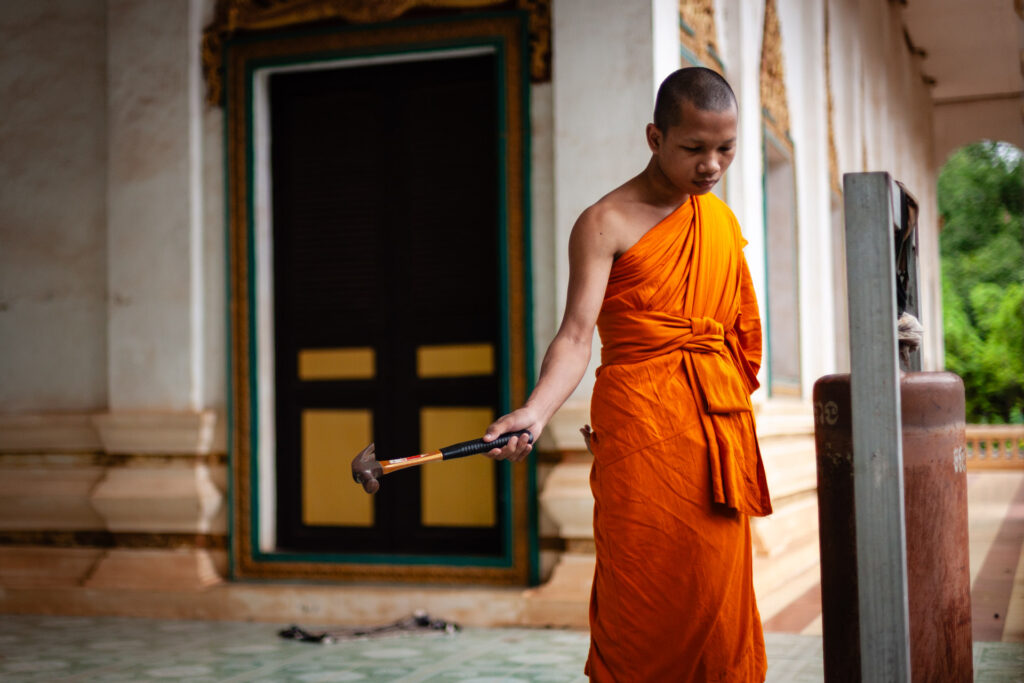
Why the 50mm Feels So Easy (In a Good Way)
- Compositions fall into place quickly
- Background blur helps tidy up messy scenes
- You rarely feel rushed
- Your success rate is… comforting
Think of the 50mm as a perfectly cooked plate of pasta.
Reliable. Satisfying. Hard to mess up.
And yet—when traveling—I don’t always want comfort food.
The 35mm Lens: Less Comfort, More Life
The 35mm lens on a full-frame camera doesn’t let you stay on the sidelines.
It pulls you forward.
With a 35mm, you must:
- Step closer
- Accept background elements
- Compose with intention
- React quickly
There is no hiding behind shallow depth of field. If your frame is weak, the lens will politely—but firmly—let you know.
This is exactly why almost all the images illustrating this article—made in Southeast Asia, Central Asia, and the Himalayas—were shot with a 35mm lens.
It keeps me awake.
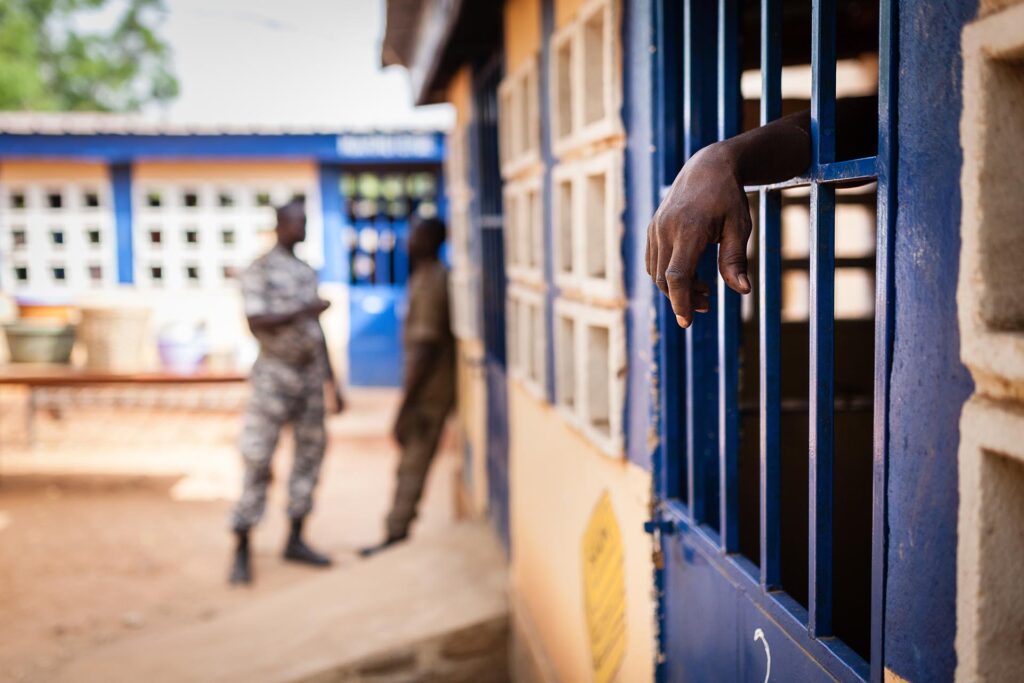
Proximity Changes Everything
Using a 35mm lens changes how you move.
You walk more. You crouch. You lean. You negotiate space rather than steal moments from afar.
In Cambodia, Laos, and Vietnam, daily life unfolds close to the ground: markets, street corners, shared smiles. The 35mm lets me photograph people inside their reality, not extracted from it.

In Uzbekistan and Kyrgyzstan, it balances faces with space—human stories framed by architecture, dust, and light.
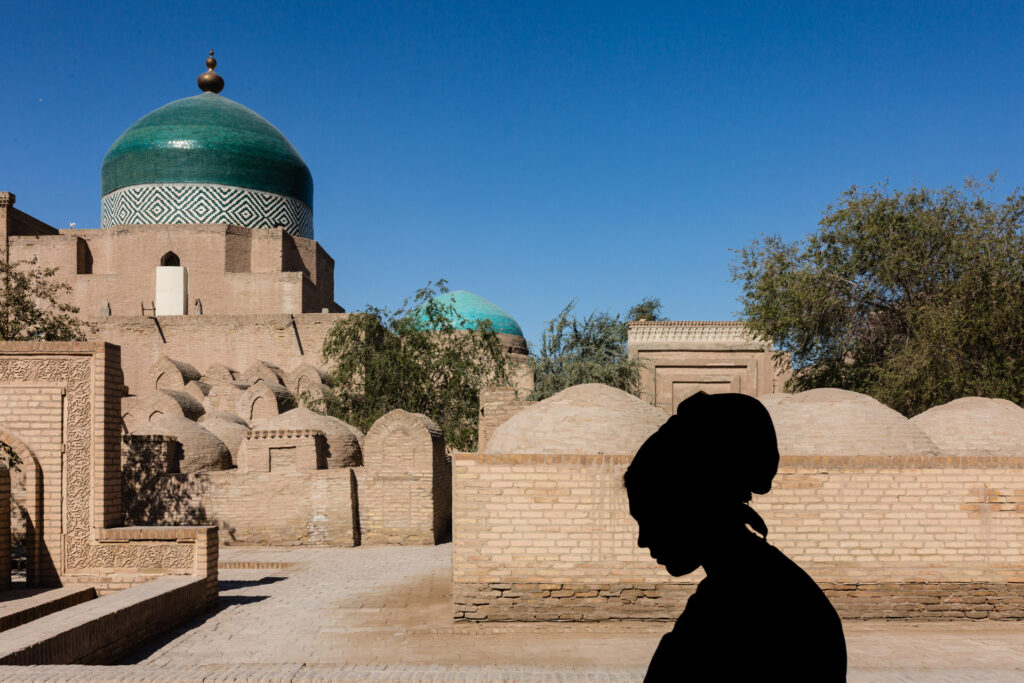
In Ladakh, where everything feels essential, the 35mm becomes less about portraits and more about presence.
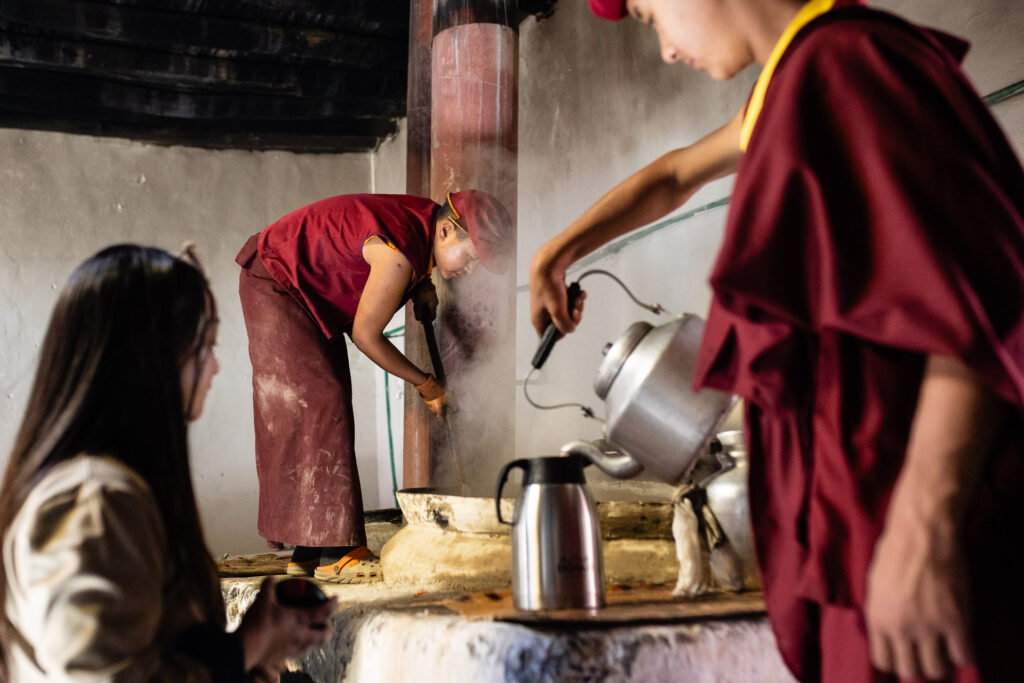
35mm vs 50mm on Full Frame: Context or Compression?
Here’s the heart of the debate.
50mm on Full Frame
- Slight compression
- Strong subject separation
- Calm, controlled storytelling
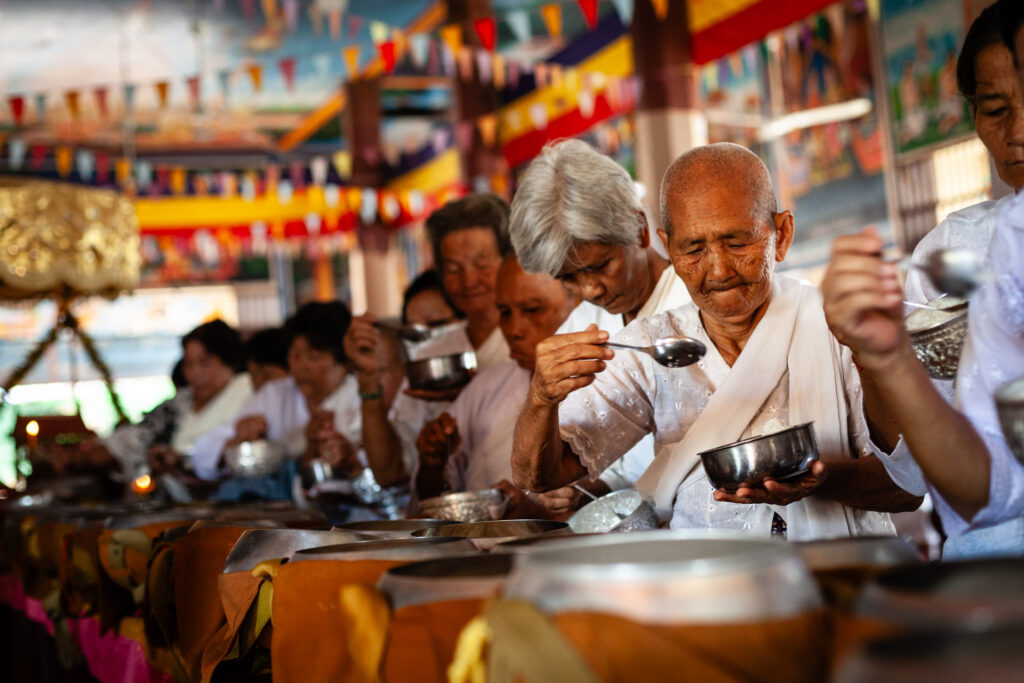
35mm on Full Frame
- Expanded spatial relationships
- Foreground, subject, background in dialogue
- Visual tension becomes narrative
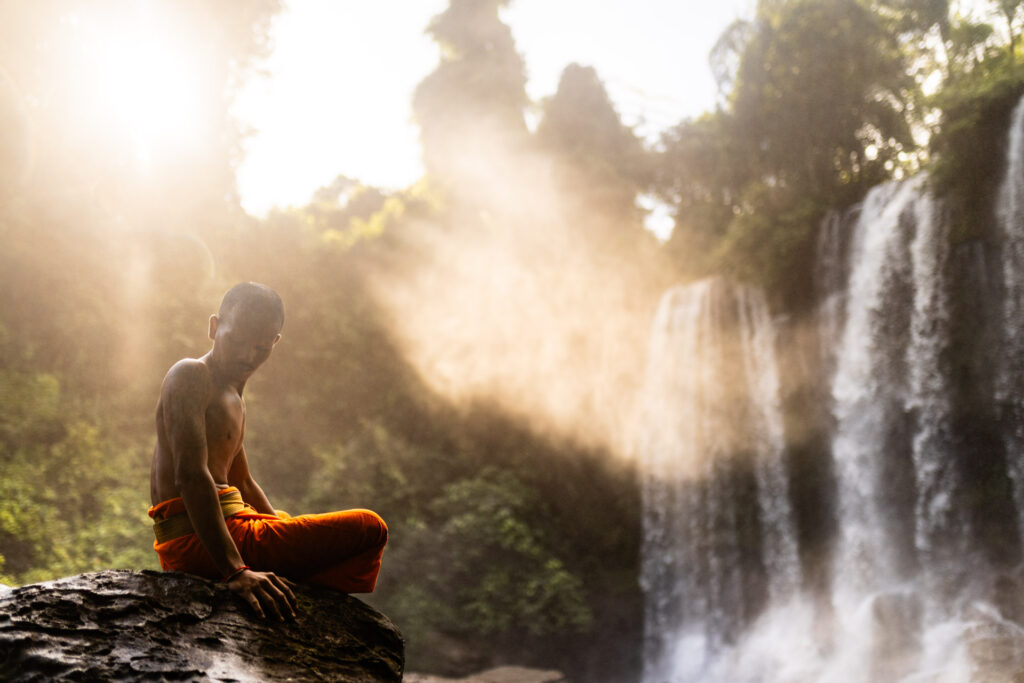
I almost always choose context over compression.
Travel photography, for me, is not about isolating people from their world—but showing how deeply they belong to it.
Choosing the Harder Path (On Purpose)
Let’s be honest.
The 35mm lens is less forgiving.
It exposes hesitation. It punishes bad positioning. It laughs quietly when you try to rush a composition.
And that’s why I love it.
A prime lens—especially a 35mm—forces you to slow down, observe, and earn the photograph.
Difficulty, when chosen consciously, sharpens vision.
A Human Way of Photographing
I don’t consider myself a technical photographer.
I consider myself a human photographer.
That means:
- Interaction matters more than perfection
- Emotion beats technical purity
- Being present matters more than being invisible
With a 35mm lens, you cannot pretend you’re not there. Eye contact happens. Smiles happen. Sometimes awkward moments happen.
That’s real life.
Yes, the 50mm Is Still Wonderful
This is not a breakup letter.
The 50mm lens remains fantastic for:
- Intimate portraits
- Quiet observation
- Minimalist stories
Many photographers build entire careers with one—and for good reason.
But for the way I travel, teach, and photograph, it often feels like standing one step too far back.

One Lens, One Way of Seeing
When I travel through Asia and beyond, I simplify my gear to focus on what matters most: people, light, and moments.
The 35mm lens on full frame has become an extension of how I see the world:
- Close but respectful
- Immersed but aware
- Messy but honest
If you enjoy being inside the scene rather than observing it from the edge, the 35mm might quietly become your indispensable focal length too.
Final Thoughts: The Lens Shapes the Photographer
Choosing between 35mm vs 50mm is not about charts or specifications.
It’s about behavior.
The 35mm lens doesn’t make photography easier.
It makes it more alive.