
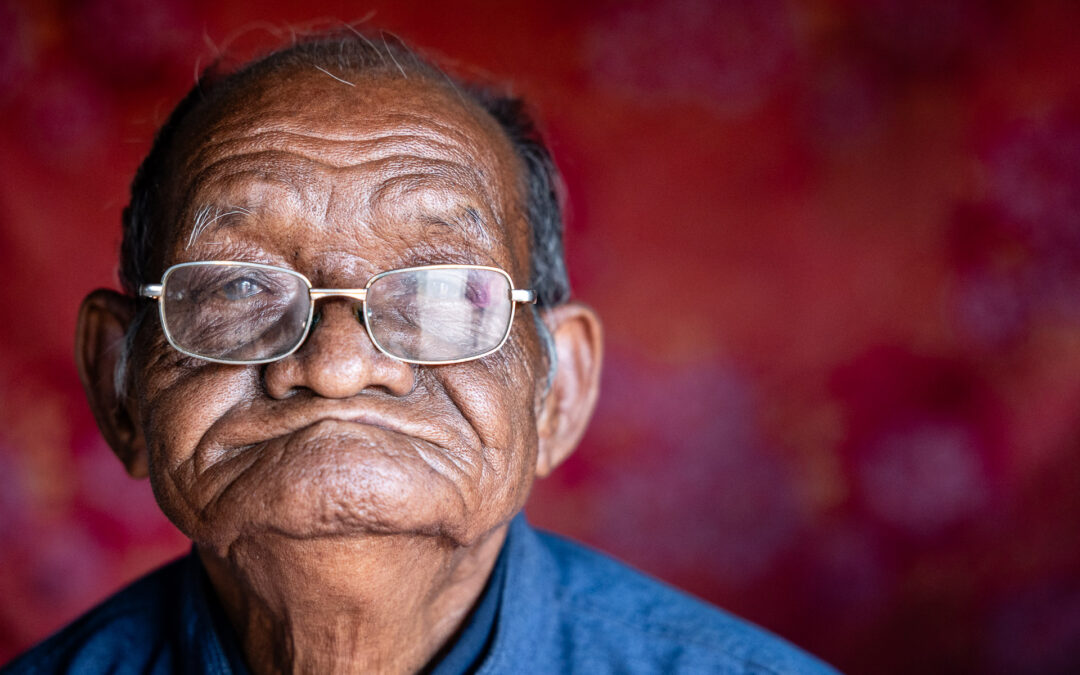
Big hugs to our driver Sochea at the new Phnom Penh airport.
Every photography workshop ends quietly. Suitcases roll away, cameras disappear into bags, and people who were strangers two weeks earlier suddenly feel like old friends.
Fourteen days earlier, we had been standing in the arrivals hall waiting for Jim, Lorie and Deb — three experienced photographers joining our costumized and private Cambodia photo tour before continuing to India for a tiger safari.
Cambodia wasn’t even on their bucket list.
They simply wanted to see Angkor Wat.
So they reached out to us at Asia Travel Photography to arrange a short photographic detour.
Two weeks later, Cambodia had — most likely — become one of the highlights of their journey.
Expect the Unexpected — The First Lesson of Travel Photography
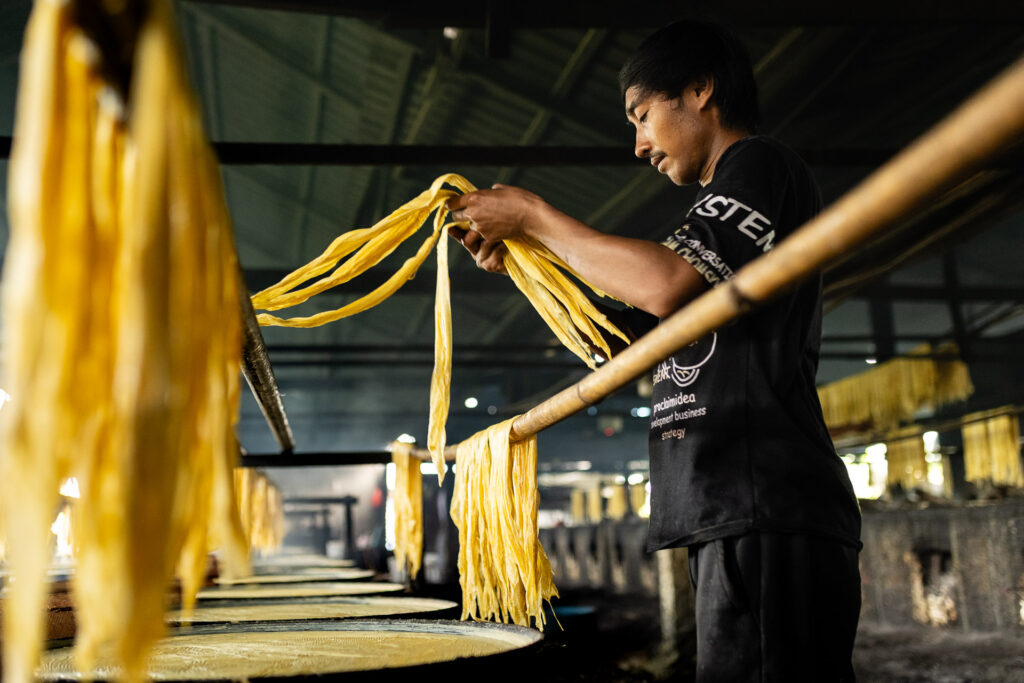
Our workshop began in Phnom Penh at one of our favorite places — a traditional soya factory. Normally it is full of life — workers moving through smoke, steam rising in morning light, splashes of soya milk creating perfect backlit moments.
But it was Chinese New Year.
The factory was empty.
No workers.
No steam.
No action.
Instead of failure, it became the first lesson of the workshop: adaptation is the foundation of travel photography.
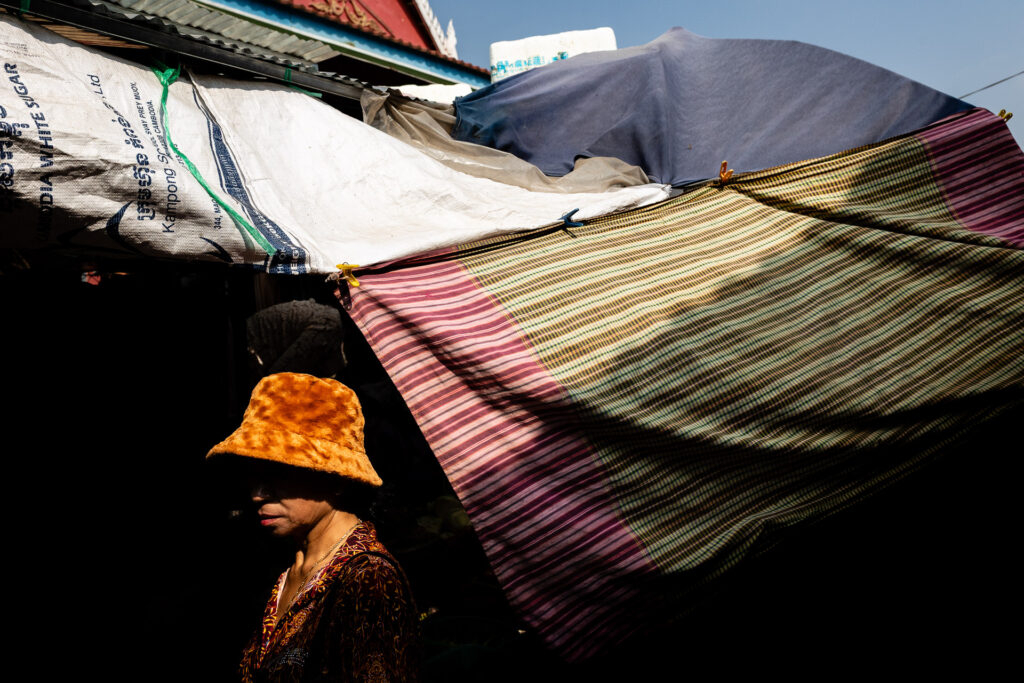
We had already prepared alternative locations, and the day turned into a relaxed warm-up. The guests began observing instead of chasing images — learning to read situations rather than forcing them.
Ironically, steam would later become a visual theme throughout the entire Cambodia photography workshop, appearing naturally in many unexpected places.
Into the Cambodian Countryside — Culture Over Schedule
We then travelled into the rural countryside around Tonlé Sap, where the trip shifted from planning to experience.
Because of the New Year period, we encountered very unique moments:
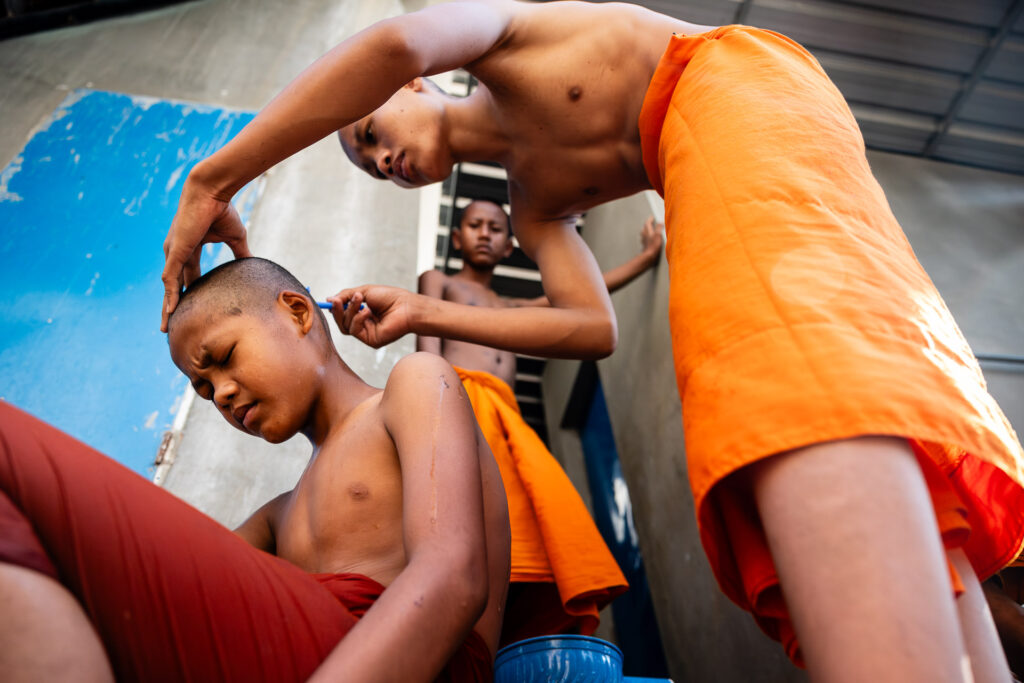
Monks shaving their heads.
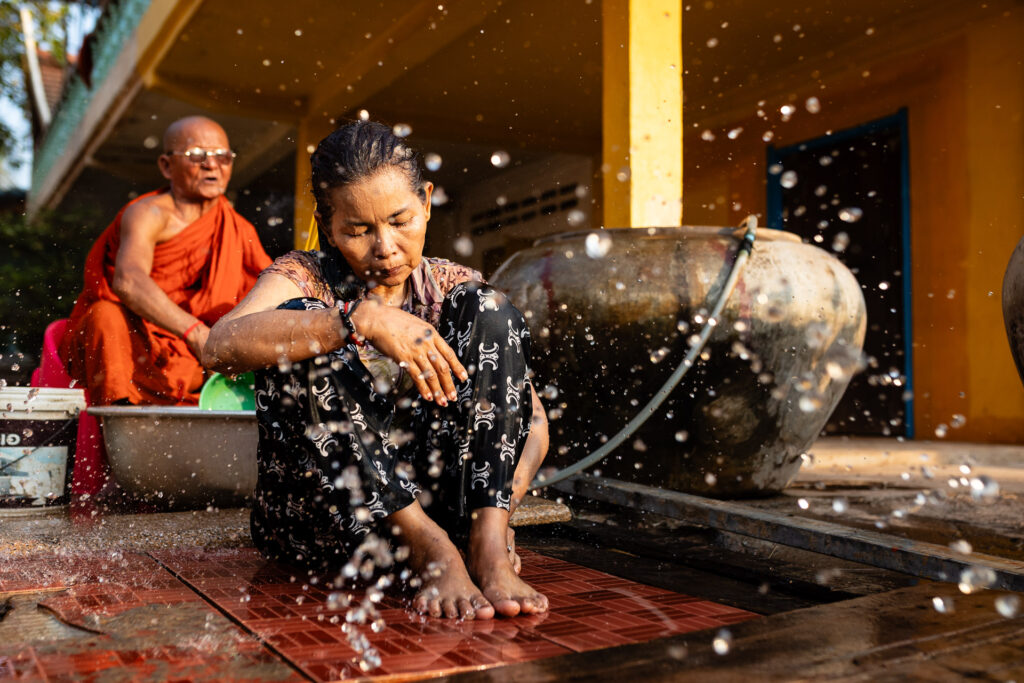
Water blessings shared between generations.
Small ceremonies happening inside family homes.
These weren’t photo opportunities — they were lived moments.
And the photographers quickly understood the difference.
The workshop stopped feeling like an itinerary and started feeling like participation.
Angkor Wat — Beyond the Monument
In Siem Reap we finally reached Angkor Wat — the reason they had added Cambodia to their journey.
The first mornings were all about light — long shadows stretching through temple corridors, women sweeping fallen leaves across stone floors, monks moving quietly inside their monasteries.
The temples became more than architecture. Instead of photographing only monuments, they began to photograph the life unfolding inside the Angkor complex.
Meeting Cambodia — Siem Reap, Battambang and Kampong Chhnang
A photography workshop in Cambodia is not only about locations — it is about relationships.
Across Siem Reap, Battambang and Kampong Chhnang we met people we meet every year — fishermen, craftsmen, families and children cycling home at sunset.
The guests were no longer photographing strangers.
They were interacting, laughing, waiting, observing.
Their images became calmer and more intentional.
Less hunting, more understanding.
Photography slowly stopped being about searching and became about connection.
Returning to Phnom Penh — The Scene Revisited
At the end of the trip we returned to Phnom Penh and tried the soya factory again.
This time everything was alive.
Steam filling the morning air.
Light cutting through smoke.
Splashes of soya milk freezing in backlight.
But the biggest difference was not the location.
It was the photographers.
They waited for clean backgrounds.
They anticipated gestures.
They positioned themselves before the moment happened.
Jim said it perfectly:
“It’s better we photographed this at the end — now we actually know what we are seeing.”
The place had not changed.
Their vision had.
From Landscape to Human Photography
Jim, Lorie and Deb normally photograph landscapes and wildlife around the world. Cambodia challenged them in a completely different way.
No tripod — yes Deb, no tripod…
No predictable behaviour.
No fixed compositions.
Instead — people, emotion, and fleeting moments.
They learned that eye contact matters more than focal length, and that light lasts seconds, not minutes.
By the end of the workshop, they were no longer just photographing Cambodia.
They were participating in it.
More Than a Stop Before India
And suddenly we were back at Phnom Penh airport.
The same place as the beginning — but no longer the same journey.
Cambodia had been a simple stop before their tiger safari.
Now they are already planning to return in Cambodia the Green Season in 2027!
Not only for Angkor Wat photography.
For the people, the atmosphere, and the human stories found everywhere in Cambodia.
Photography workshops often end with images.
The best ones end with perspective.
Lorie is still hugging Sochea — not quite ready to leave — while the adventure continues with us to India for the Holi Festival… before the tiger safari begins.