Street photography is one of the most rewarding yet misunderstood genres of photography. Many beginners think it’s about fast reactions, chasing people, or capturing random moments. In reality, great street photography is built on observation, patience, and emotional awareness.
At Asia Travel Photography, we approach street photography as an extension of travel photography. While exploring Uzbekistan, Kyrgyzstan, India, Cambodia, Laos, and Vietnam, we use street photography to tell visual stories about daily life, culture, and atmosphere — always guided by a structured creative process:
Foundational Principles: Light → Composition → Subject
Supporting elements like light and shadow, contrast and color, the moment, layers of people, motion, reflections, and blending in enhance the image once the foundation is established.
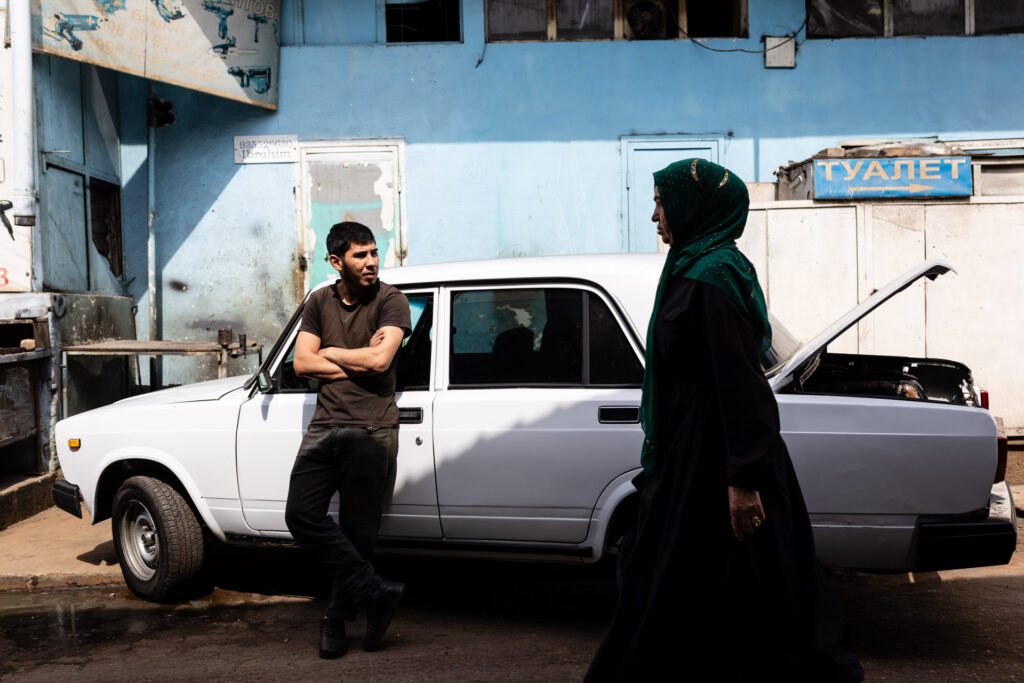
What Is Street Photography?
Street photography is the practice of capturing authentic, unposed moments in public spaces. It’s not limited to streets — it can occur in markets, temples, train stations, cafés, or villages where life unfolds naturally.
Key characteristics include:
- Genuine moments rather than staged scenes
- Observation rather than interaction
- Visual storytelling over simple documentation
People are often present, but the story is not always about them. Sometimes it is the interaction of light, architecture, motion, and human presence that creates the narrative.
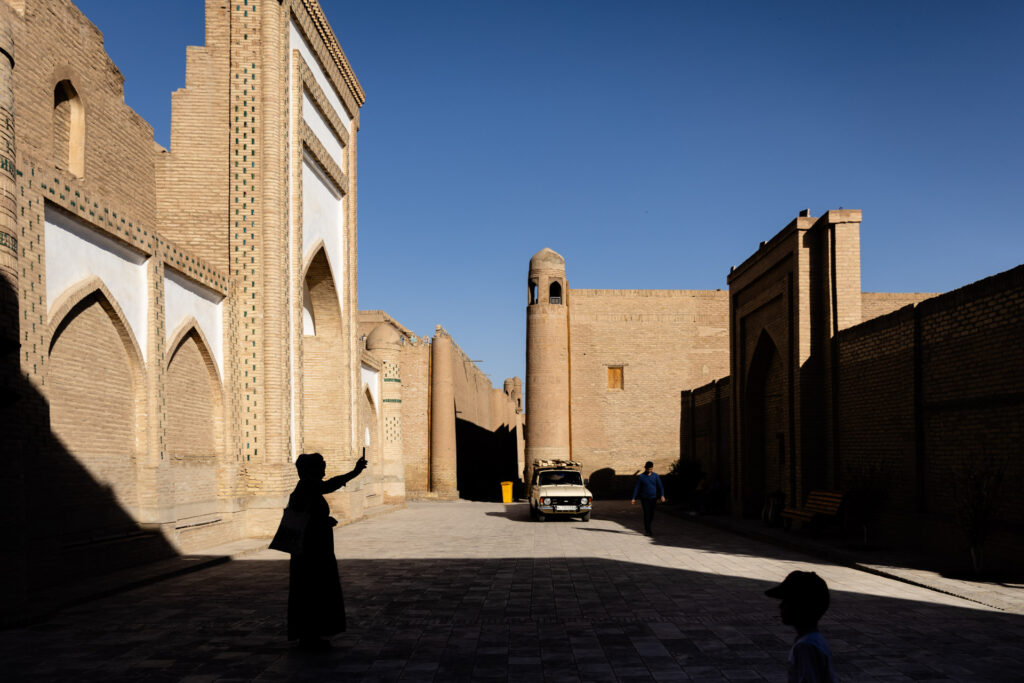
Street Photography and Travel Photography in Asia
Asian streets are rich in texture, movement, and color. Architecture, daily life, and cultural rituals coexist in a dynamic environment, making Asia ideal for street photography.
As travel photographers, our goal is not to capture landmarks but to document how life is lived:
- Cultural habits and rituals
- Human scale interacting with the environment
- The rhythm and energy of daily life
We focus on moments that feel timeless and immersive.
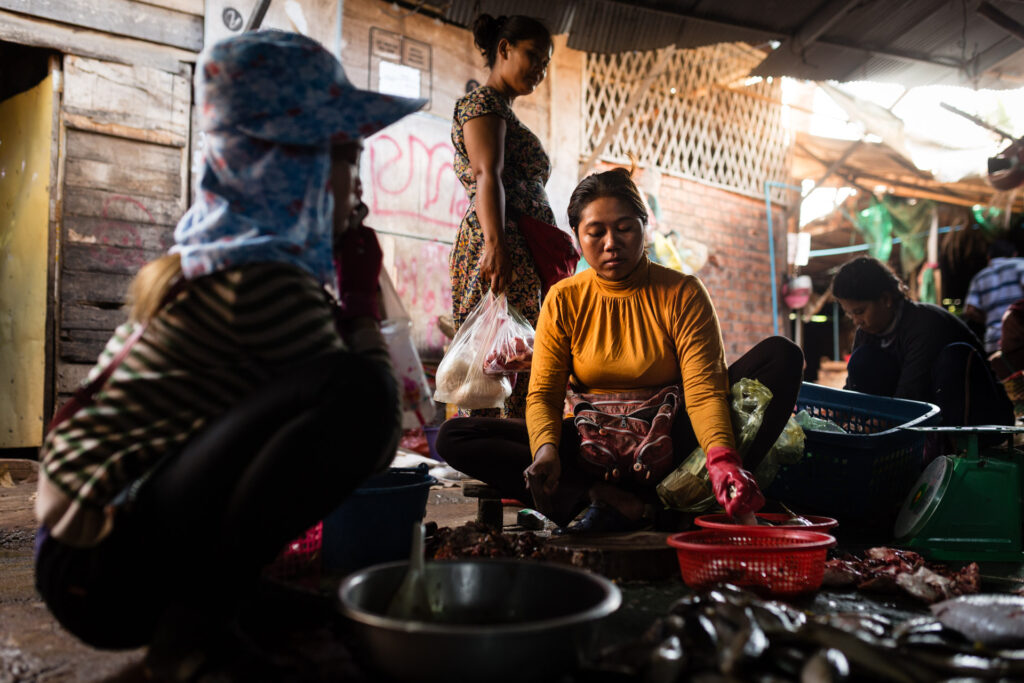
Inspiration from Master Street Photographers
We draw inspiration from iconic photographers whose work exemplifies strong composition, storytelling, and emotional depth:
- Henri Cartier-Bresson – geometry and the decisive moment
- Alex Webb – complex compositions and layering
- Fan Ho – dramatic light and shadow in Asian streets
- Raghubir Singh – vibrant color and cultural identity in India
- Saul Leiter – abstraction, reflections, and mood
We apply their principles to our own vision, adapting them to the streets we explore.
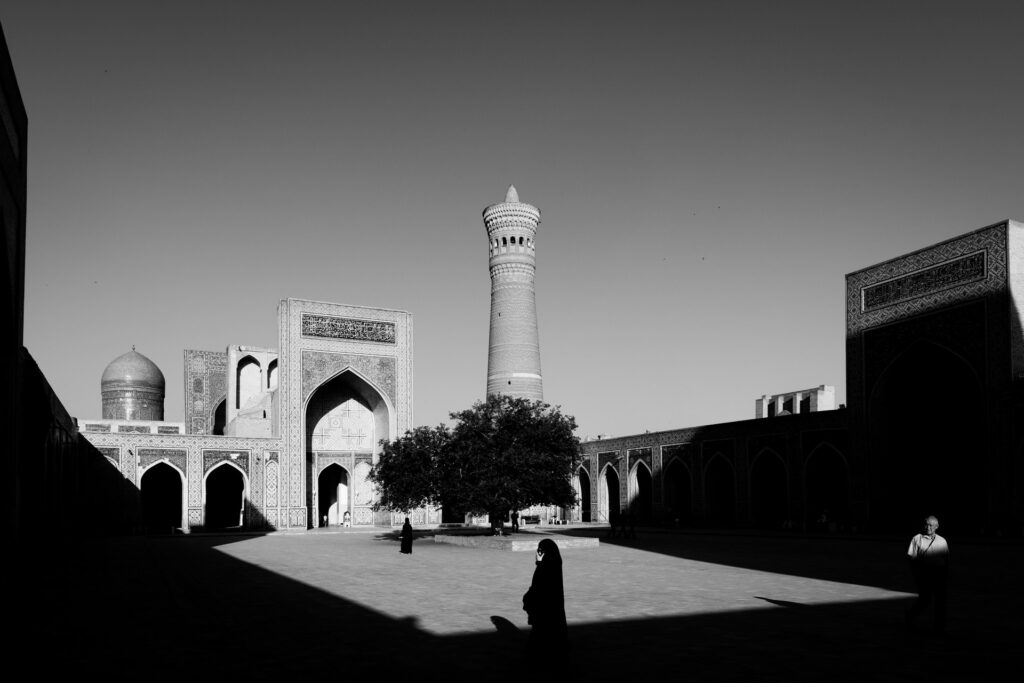
Foundational Principles of Street Photography
The foundation of every strong street photograph consists of three elements:
Light
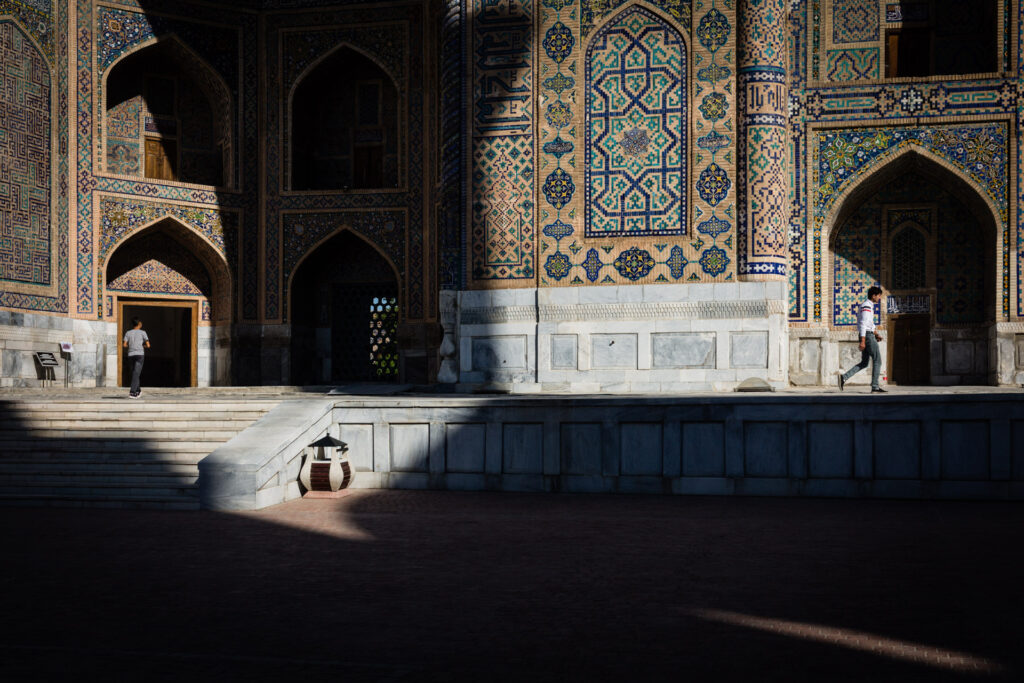
Light is the heart of any image. Observe its direction, quality, and contrast before considering any other elements:
- Directional light creating shadows
- High contrast between light and dark areas
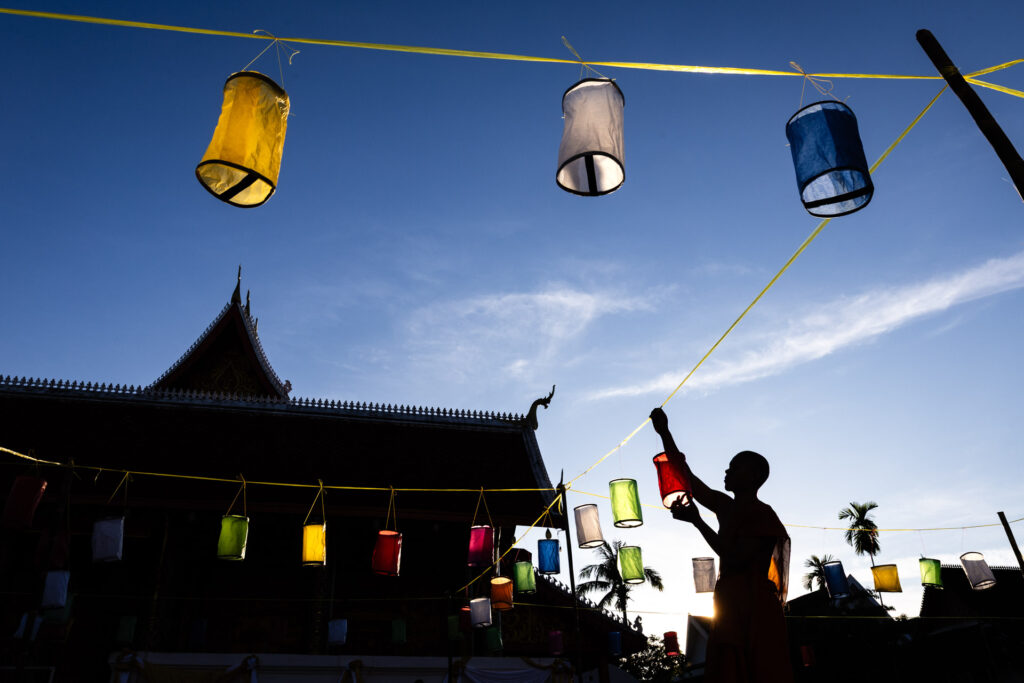
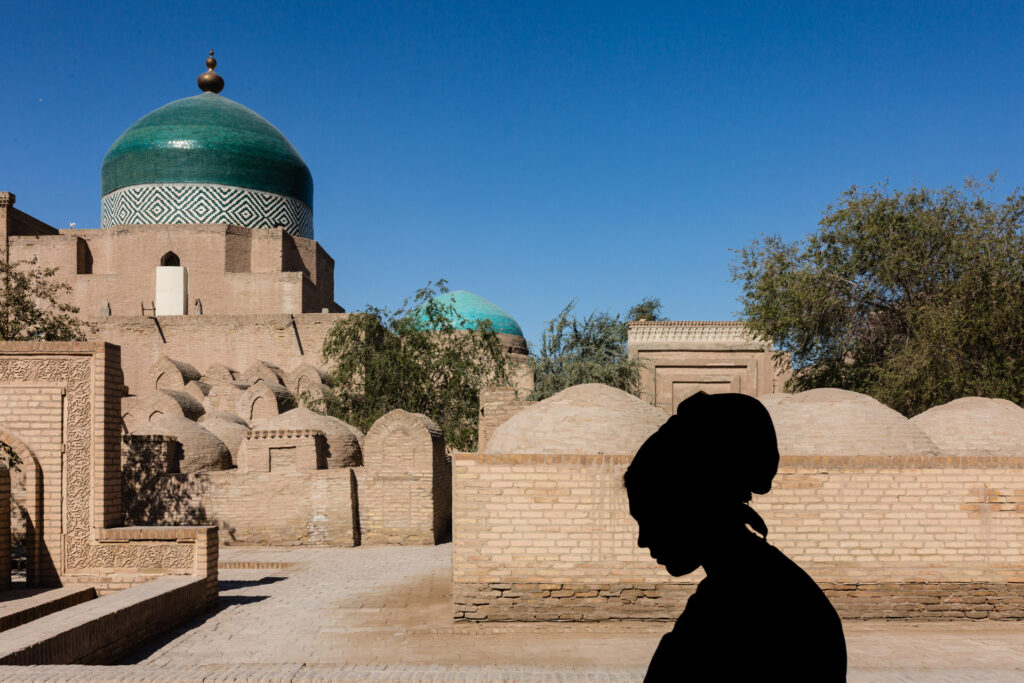
- Backlight for silhouettes
- Soft diffused light shaping mood and atmosphere
Compelling light gives your image immediate strength, letting the subject complete the story naturally.
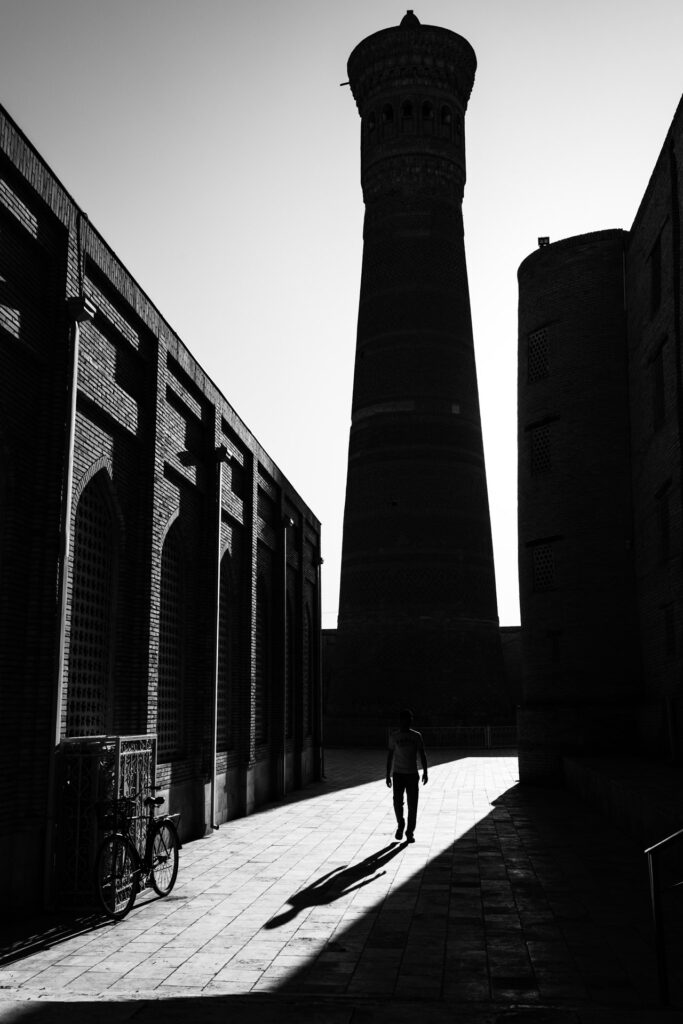
Composition
Composition organizes the scene and guides the viewer’s eye:
- Lines and geometry to lead attention
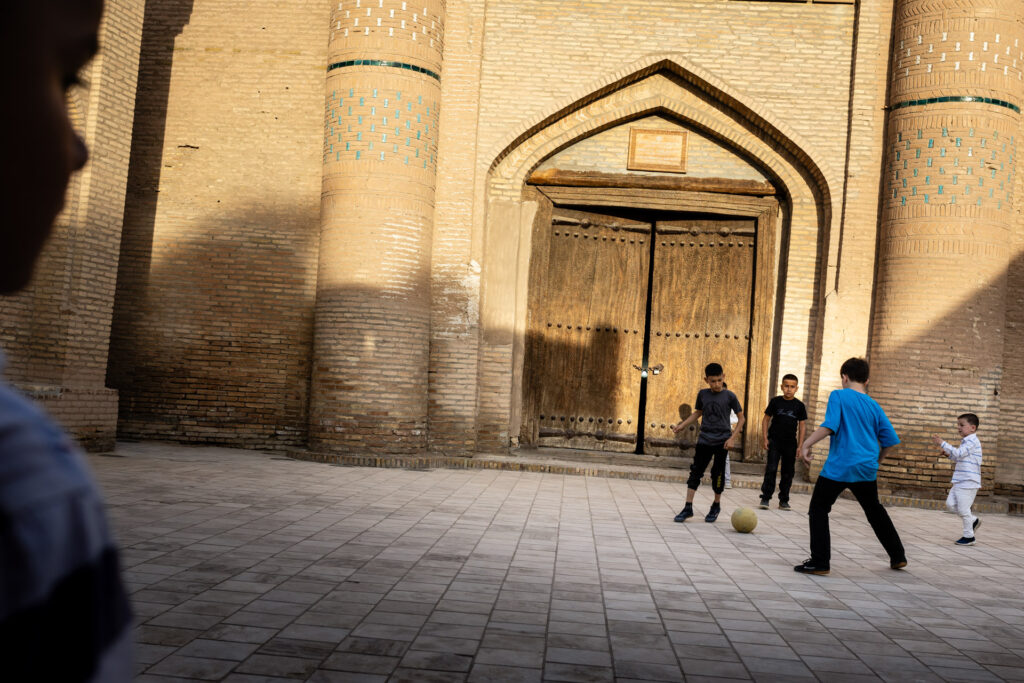
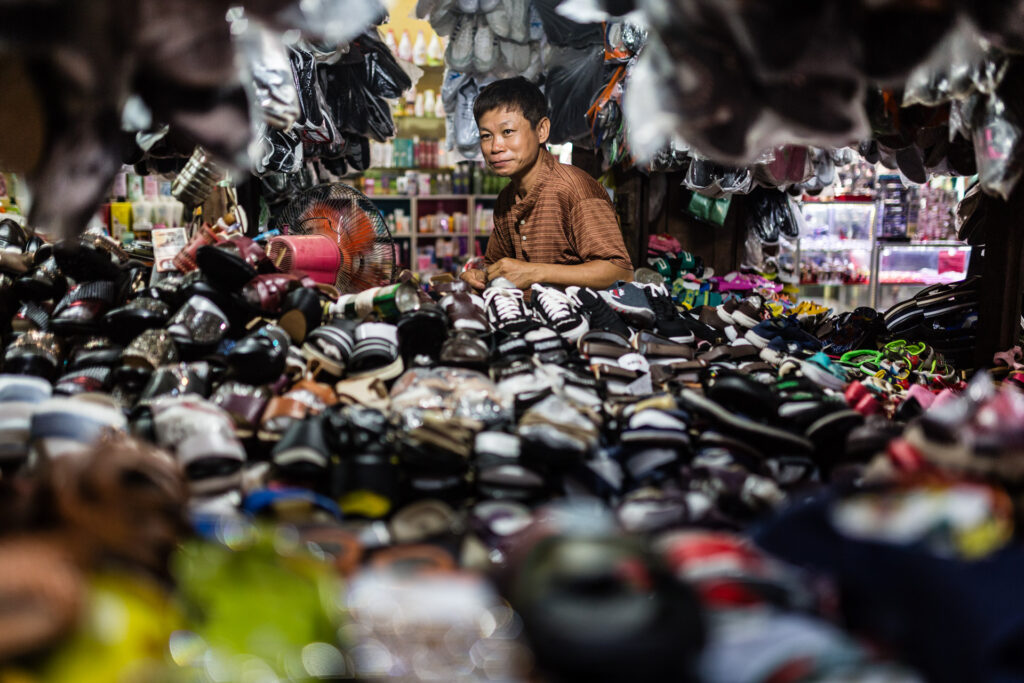
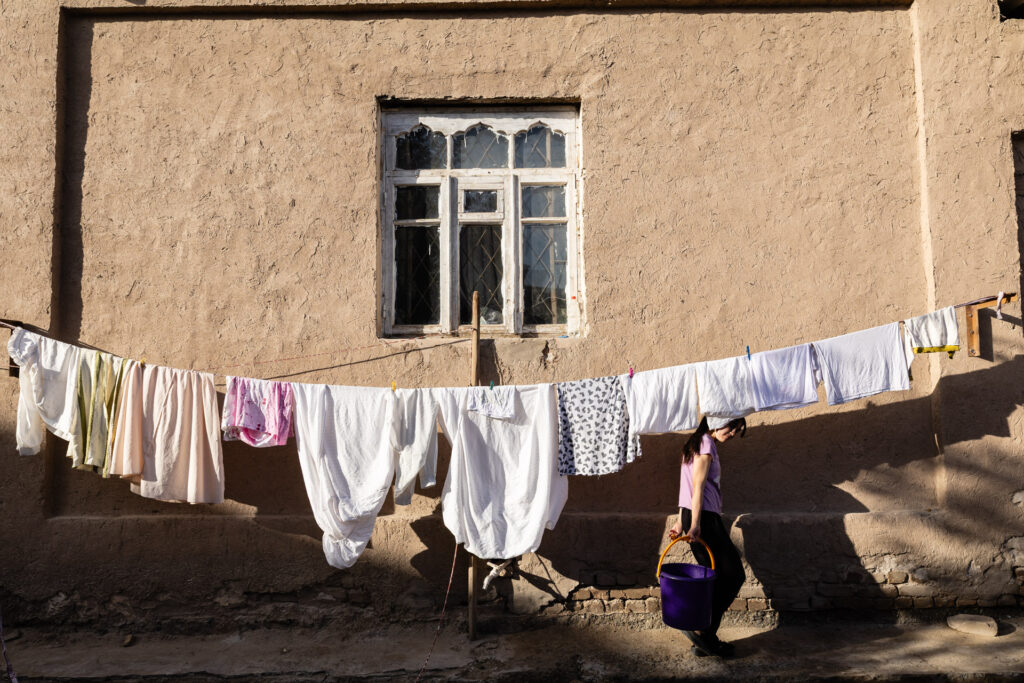
- Frames within frames (doors, windows, arches)
- Balance between positive and negative space
- Foreground, textures, and patterns for depth
- Clear separation of elements to avoid visual chaos
Strong composition helps busy streets feel calm, readable, and structured.

Subject
The subject is the final element of the foundational workflow. Only after light and composition are established does the subject enter:
- A person walking into the light
- Multiple people crossing at different distances
- A gesture, glance, or interaction
Waiting for the subject rather than chasing it ensures it naturally aligns with your frame.
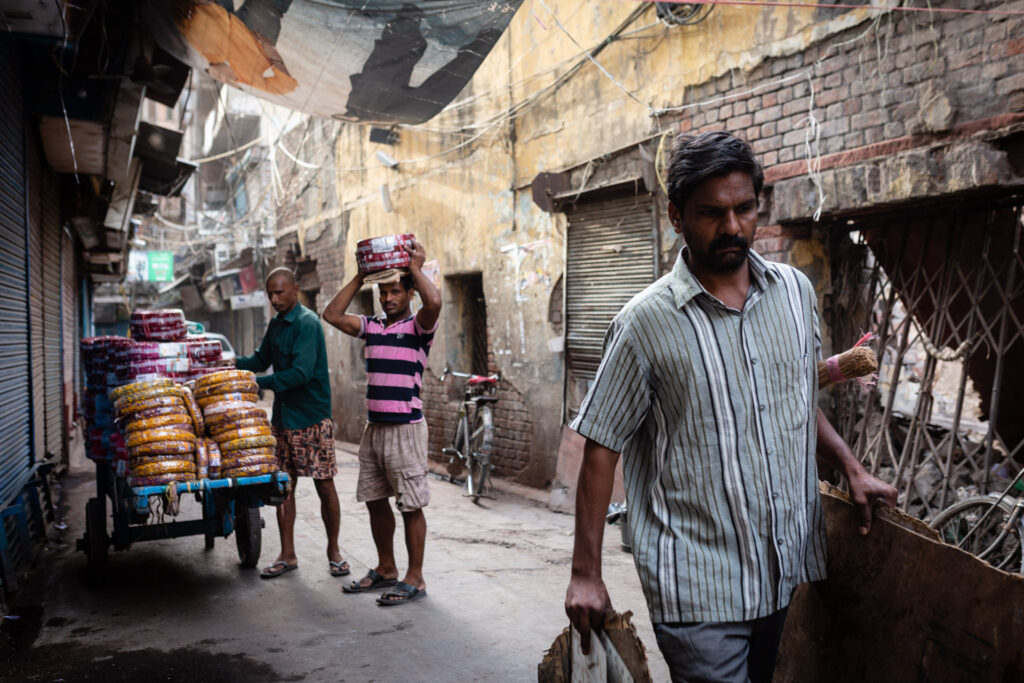
Supporting Elements to Enhance Your Images
After establishing the core principles, the following elements add depth, emotion, and storytelling:
Light and Shadow
Shadows isolate subjects, create graphic strength, and complement foundational light. They can simplify complex scenes while adding drama and depth.
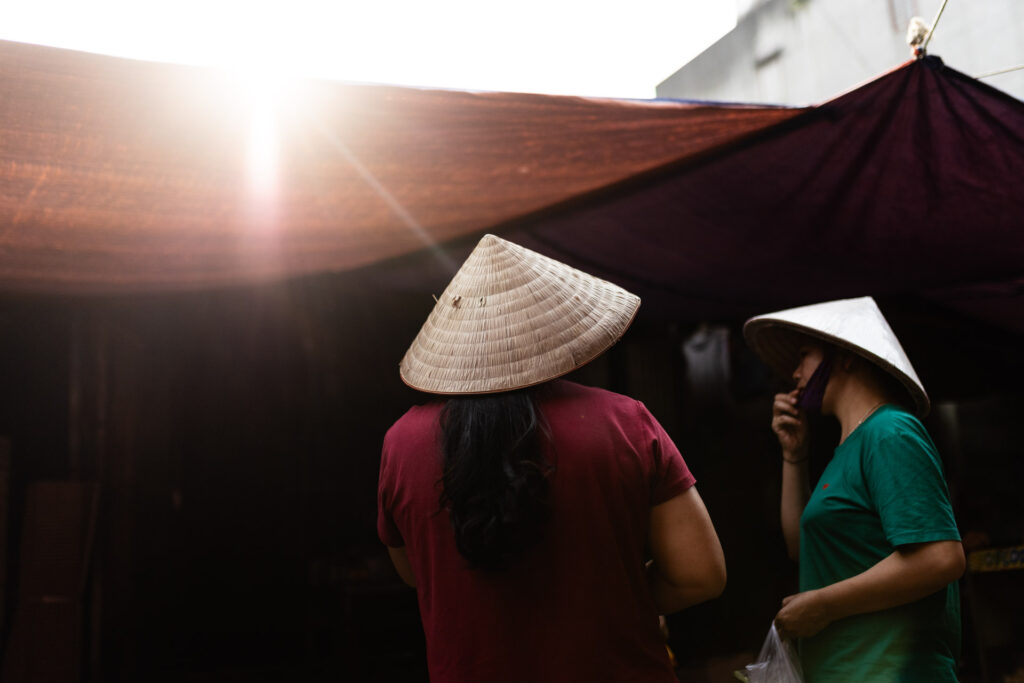
Contrast and Color
Contrast draws attention and strengthens storytelling. Effective use includes:
- Light vs dark areas
- Vibrant colors vs neutral backgrounds
- Stillness vs movement
- Complementary colors: colors opposite on the color wheel (e.g., blue/orange, red/green, yellow/purple) create visual tension and harmony. Complementary colors help highlight subjects and define spatial relationships within a scene.
Understanding color theory helps you intentionally combine colors for emotional impact.
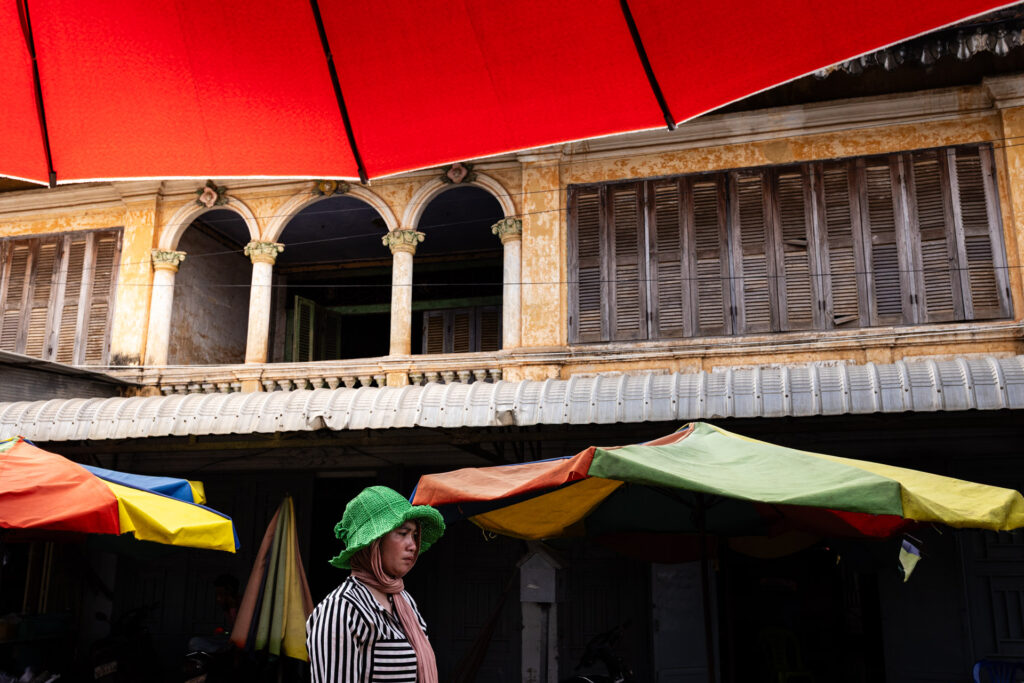
The Moment
The decisive moment may be subtle:
- Alignment of people in the frame
- Repetition of gestures or shapes
- Brief visual balance that lasts a second
Patience is key to capturing these fleeting, meaningful moments.
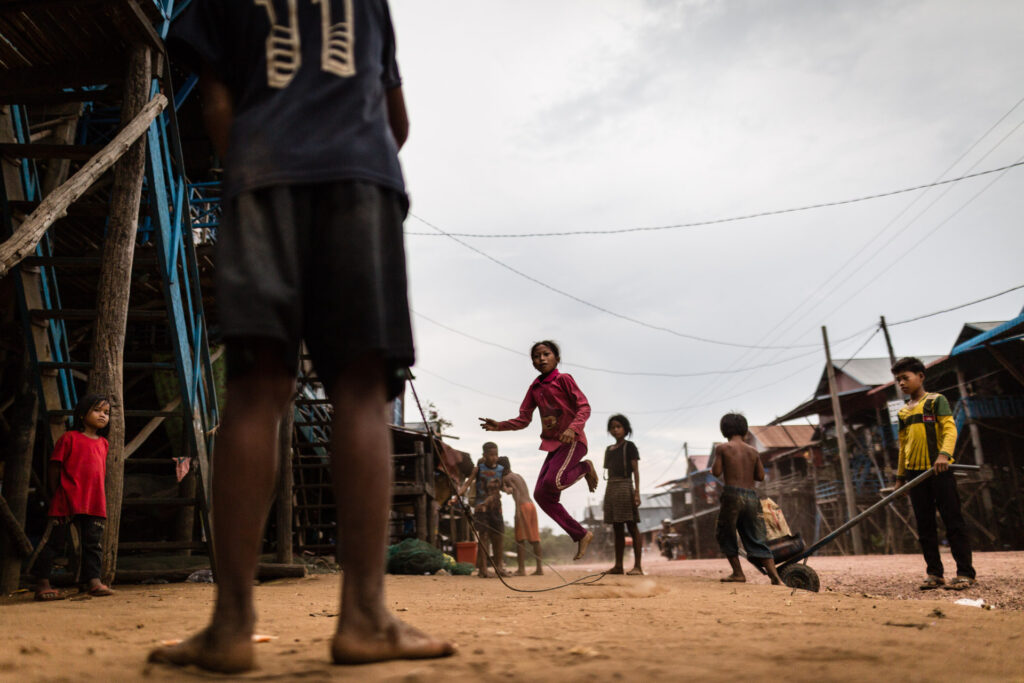
Layers of People
Layering people adds depth and rhythm:
- Foreground, middle ground, and background
- Clear separation of individuals
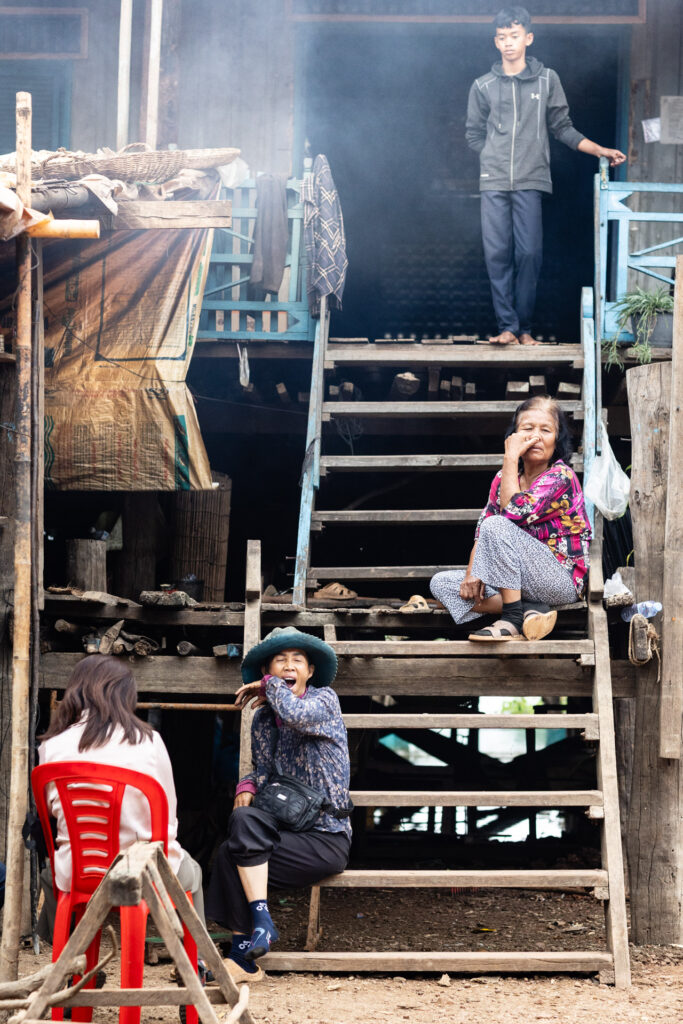
- Avoid overlapping heads or bodies
- Each person occupies their own visual space
In busy Asian streets, this creates a structured scene without chaos.
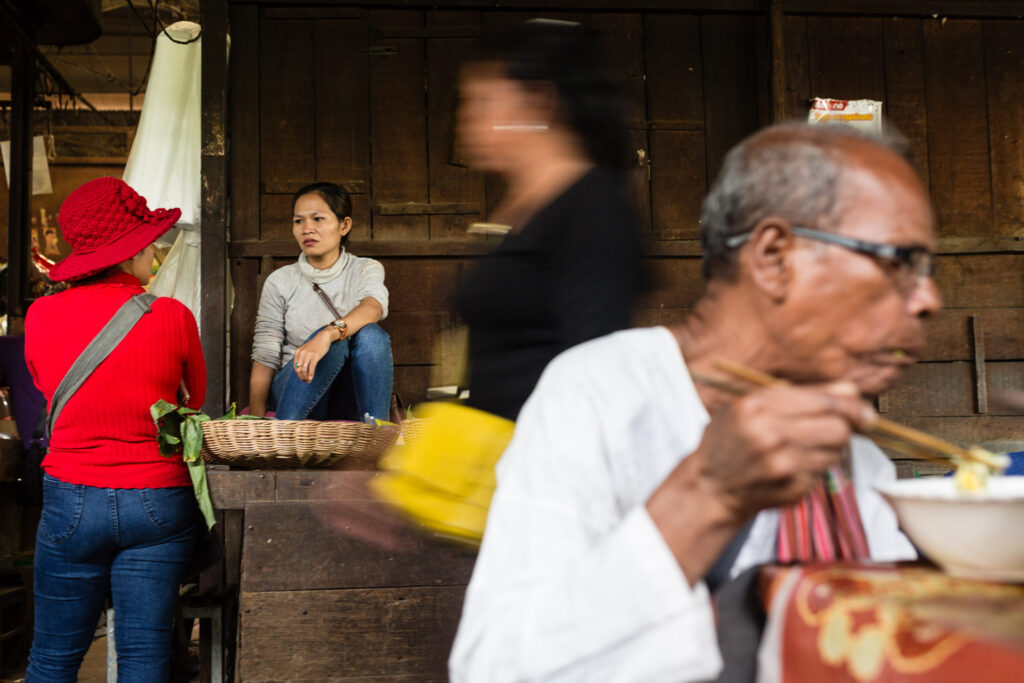
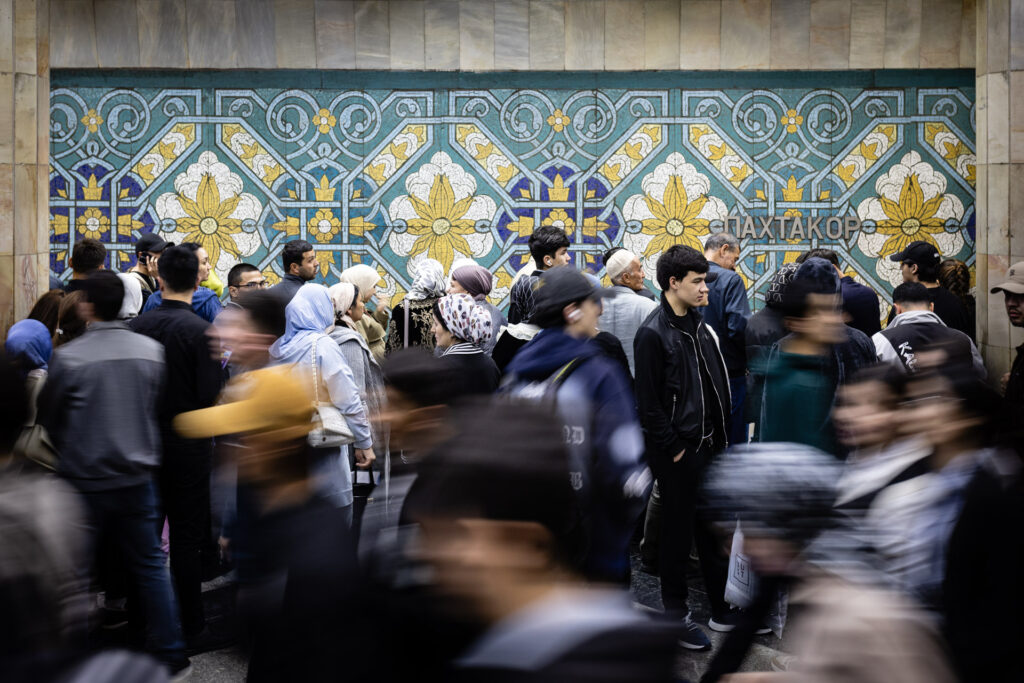
Motion and Slow Shutter Speed
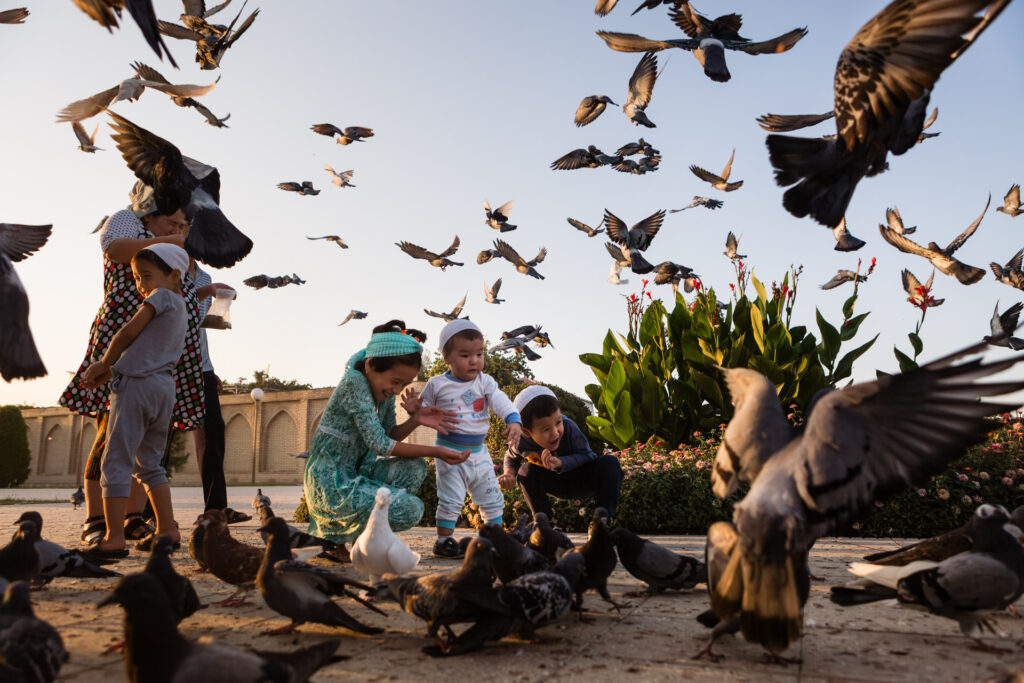
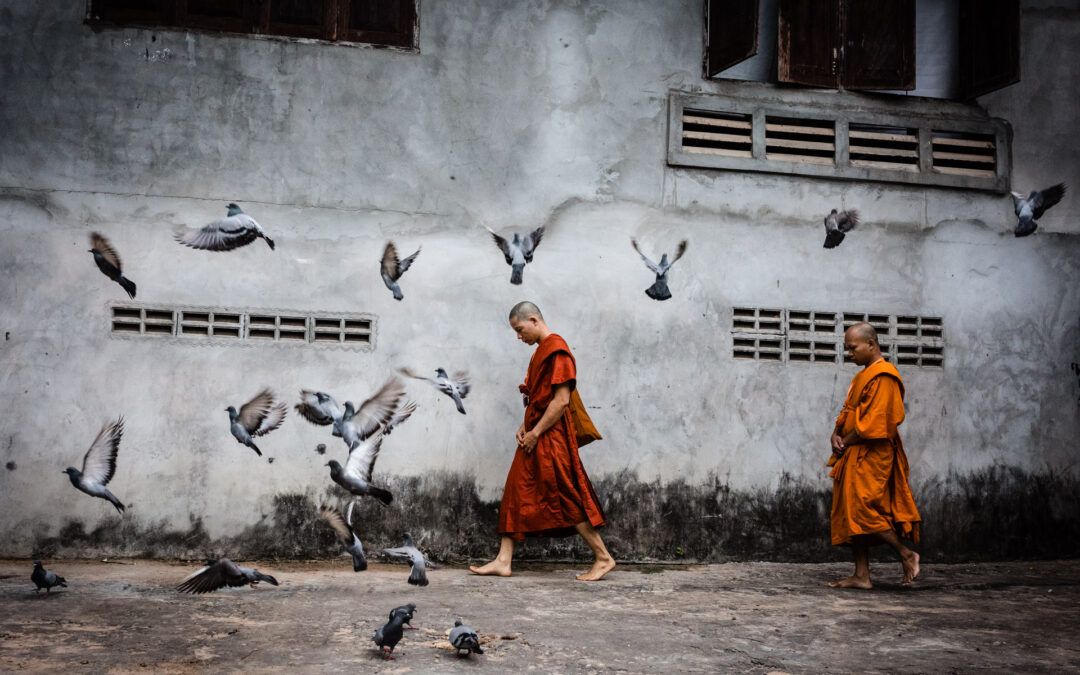
Motion conveys energy and rhythm. Using a slow shutter speed allows moving subjects to illustrate the pace of life:
- Anchor the frame with a static element
- Let people move naturally through the scene
- Blur motion intentionally while keeping composition clear
Motion adds a temporal dimension, showing how the street feels over time.
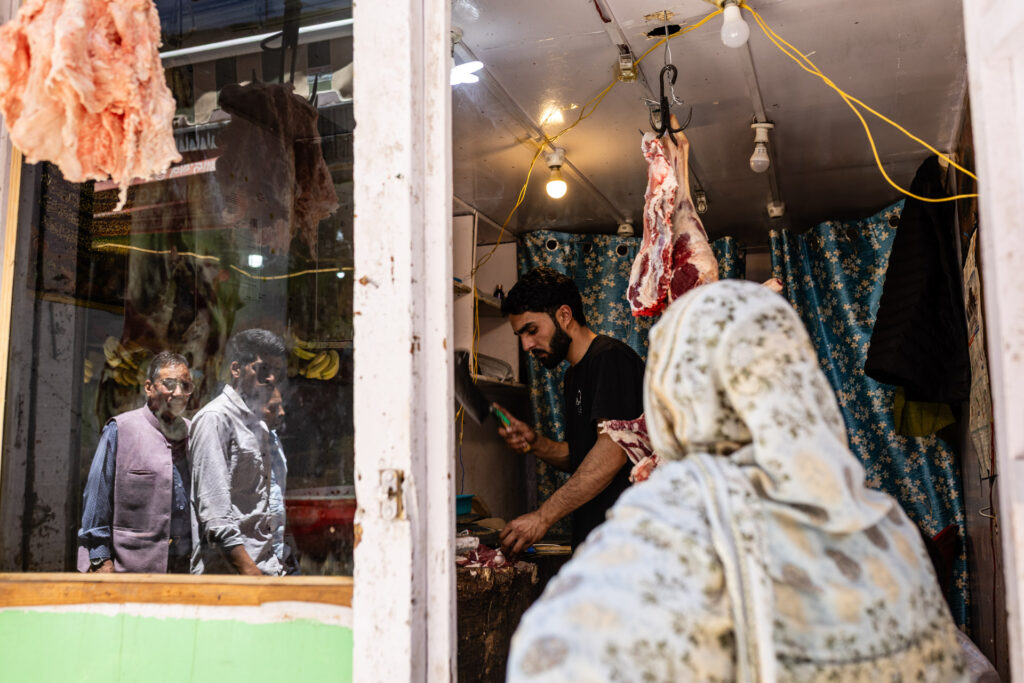
Reflections and Framing
Reflections in mirrors, windows, or puddles can add abstraction and depth. Framing with architecture or objects contextualizes your subject and guides the viewer’s eye, enhancing storytelling.
Presence and Blending In
Blending in is crucial to capturing authentic street moments:
- Dress inconspicuously
- Move with purpose and calm
- Avoid disrupting the scene
- Observe and feel the rhythm before shooting
Being present and emotionally connected allows you to sense and capture the street’s energy, mood, and atmosphere, making your images more immersive.
Our Street Photography Process
- Light – The first and most critical consideration.
- Composition – Build structure and clarity.
- Subject – Let life naturally enter your pre-established scene.
Supporting elements like light and shadow, contrast and color, the moment, layers of people, motion, reflections, and blending in enhance your image, adding emotion, depth, and storytelling.
We do not chase subjects. We let the street reveal itself.
Final Thoughts
Street photography is as much about how you feel the scene as it is about technical skill. Foundational principles of light, composition, and subject form the core, while supporting elements refine the story and elevate emotion.
Whether your are:
See the light. Build the frame. Let life happen.