In today’s travel photography world, it’s easy to fall into the trap of staged setups: smoke machines, hired models, and perfectly composed scenes. But what happens to authenticity when every photo is carefully orchestrated? Real travel photography isn’t about perfection – it’s about capturing genuine moments, unexpected smiles, and the essence of a place and its people. From Cambodia to Vietnam, I’ve learned that the true challenge – and reward- lies in photographing real life. In this article, I explore the difference between staged vs. authentic travel photography, and why embracing reality will make you a stronger, more creative photographer.
The Rise of Staged Photography
There is nothing inherently wrong with carefully composed scenes, but fully staged photography often removes the thrill of capturing something unique. Photographers can now create almost any scenario they can afford – from smoke machines to elaborate props. It can feel like working on a movie set, where the only limit is the budget.
Years ago, we received one of the most extreme requests I’ve ever seen: in Cambodia, someone wanted a monk riding an elephant in front of Angkor Wat. A perfectly staged “wow” moment, yes—but far from reality.
Staged photography has its place – especially in commercial work. When I shoot hotels, fashion, or promotional campaigns, I intentionally arrange elements to enhance reality. In these cases, the goal is to “sell” an experience, which sometimes requires bending the truth for the customer. This kind of staging is professional, purposeful, and understandable – it serves a commercial objective.
Example 1: The Lu Minority Village
In contrast, staged cultural setups – like some I have encountered in Vietnam – can feel artificial and ethically uncomfortable. On a recent photo tour, we were early and we stopped in a Lu minority village where women traditionally colored their teeth black – a practice now almost extinct. We met a very friendly man and then his wife, an woman with blackened teeth. After a few lighthearted interactions and jokes in Vietnamese from our friend and partner Etienne, we felt we could photograph her.
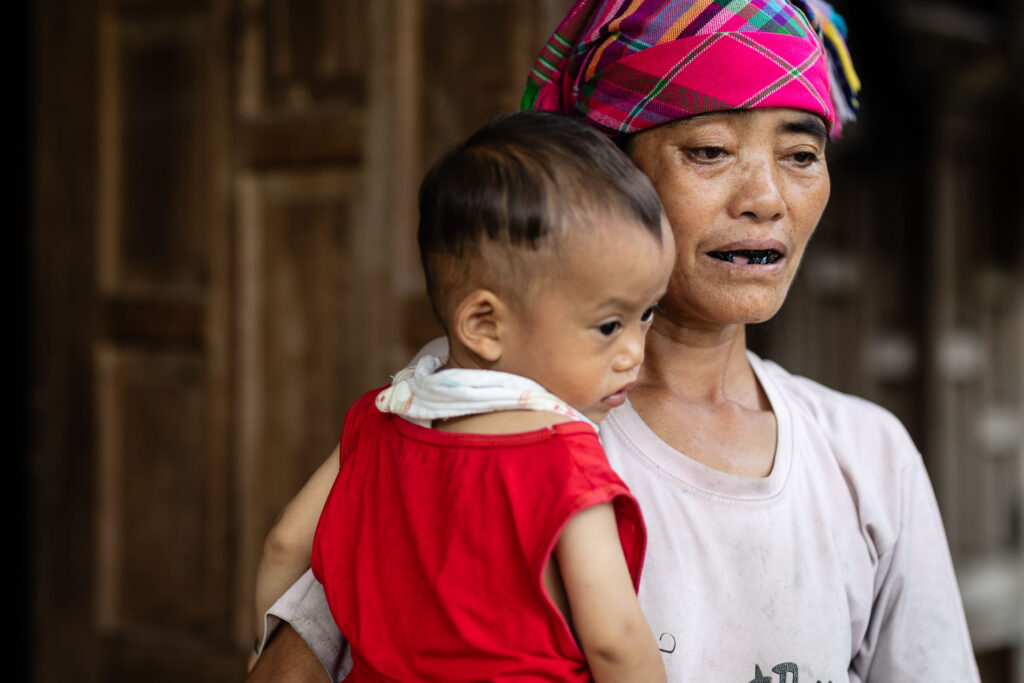
Suddenly, she went inside, changed into a traditional outfit, and sat in front of her doorway. She took a small box covered in black “glue” and began pretending to apply it to her teeth. She was used to photographers asking her to perform this ritual, which she actually only did in private at bedtime. It quickly became clear that she had likely been asked to do this many times before in exchange for money.
Some of our guests, like Dominique, stepped back, nearly in tears, and after a moment of hesitation due to the awkwardness of the situation, Etienne and I asked the group to move on, leaving the family to their normal life. The experience felt deeply uncomfortable and tense – a stark reminder of how staged photography can take advantage of people and exploit traditions for the sake of a “perfect shot.”
Example 2: Posing Women in Nets, Boats, and Salt Fields
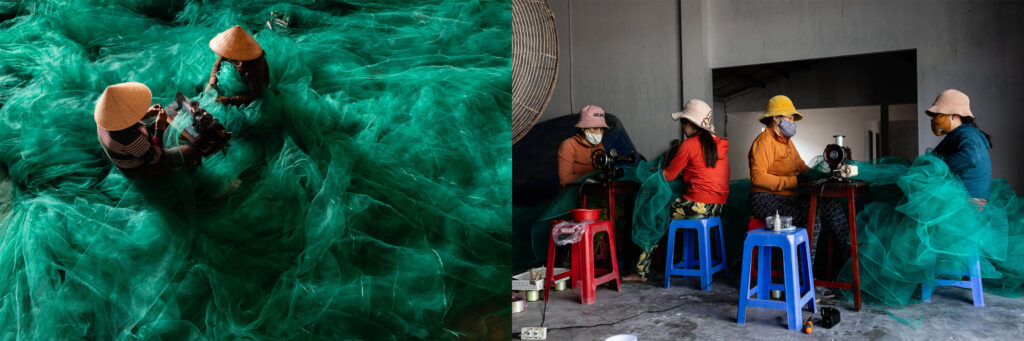
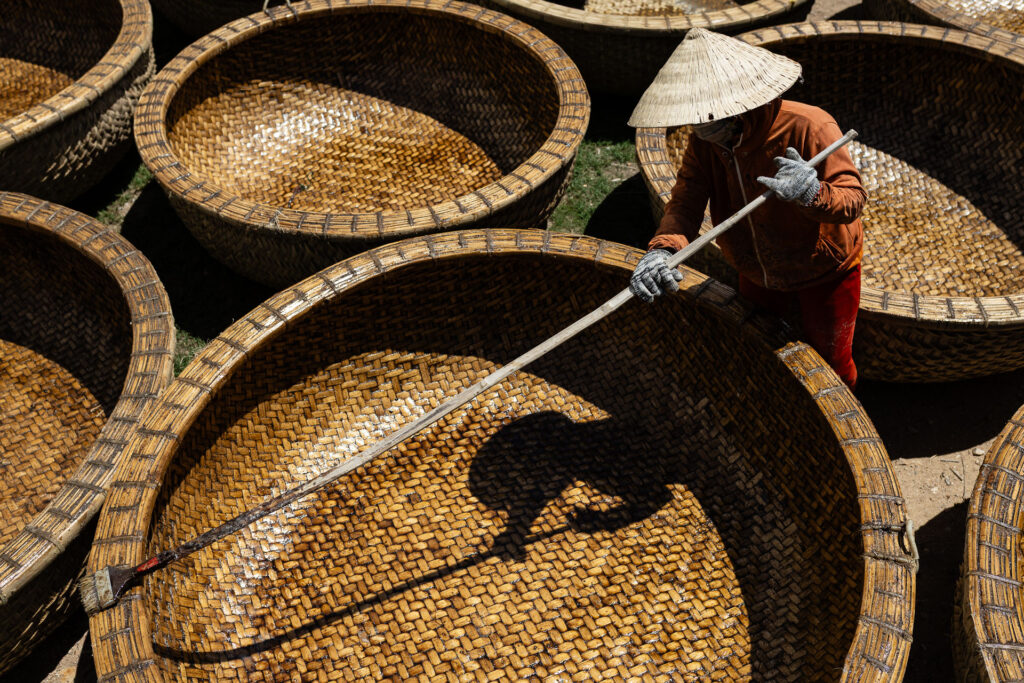
During another trip, I encountered other staged cultural scenes: women posed in the middle of nets, pretending to work while the real labor happened next door; a woman painting a round boat paused her work to create the “perfect shadow” of her conical hat. These moments may look beautiful, but for me, they felt hollow – artificial representations of life rather than authentic stories.
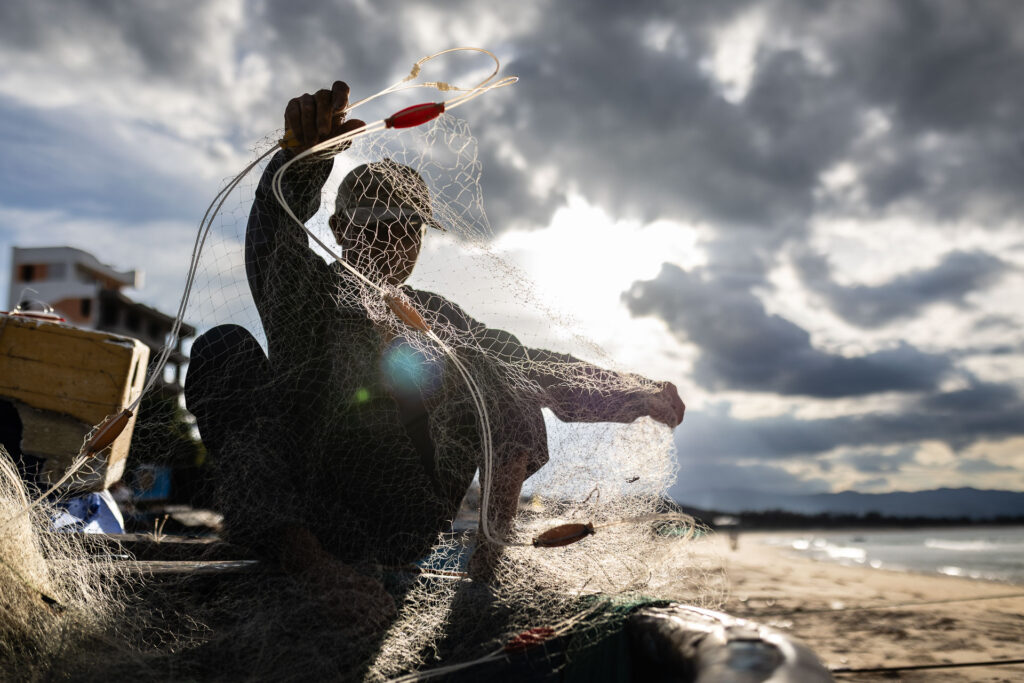
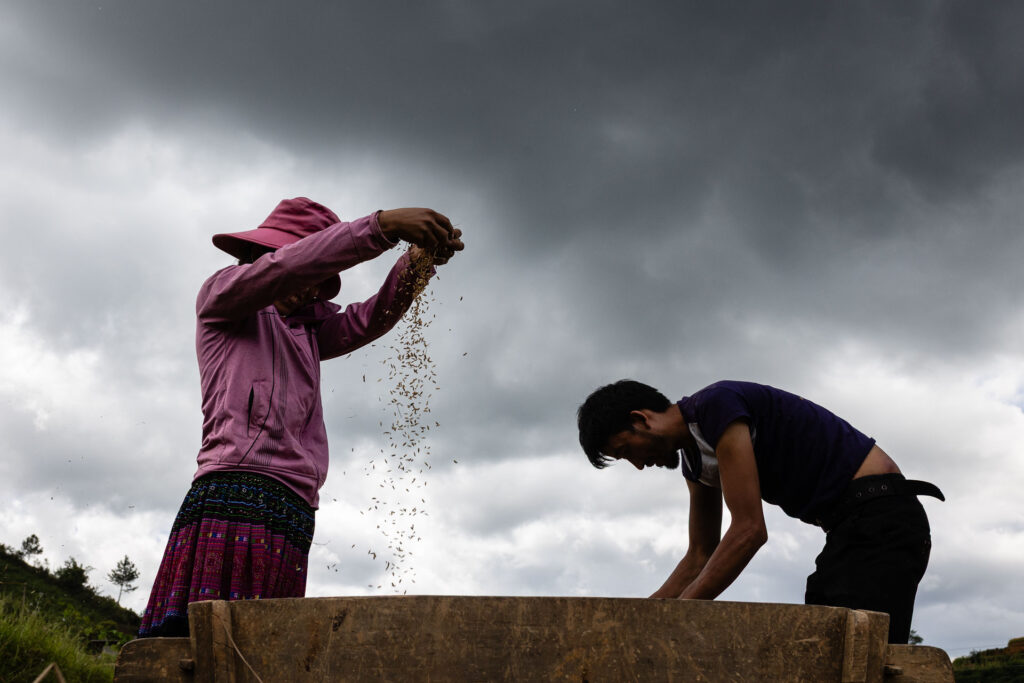
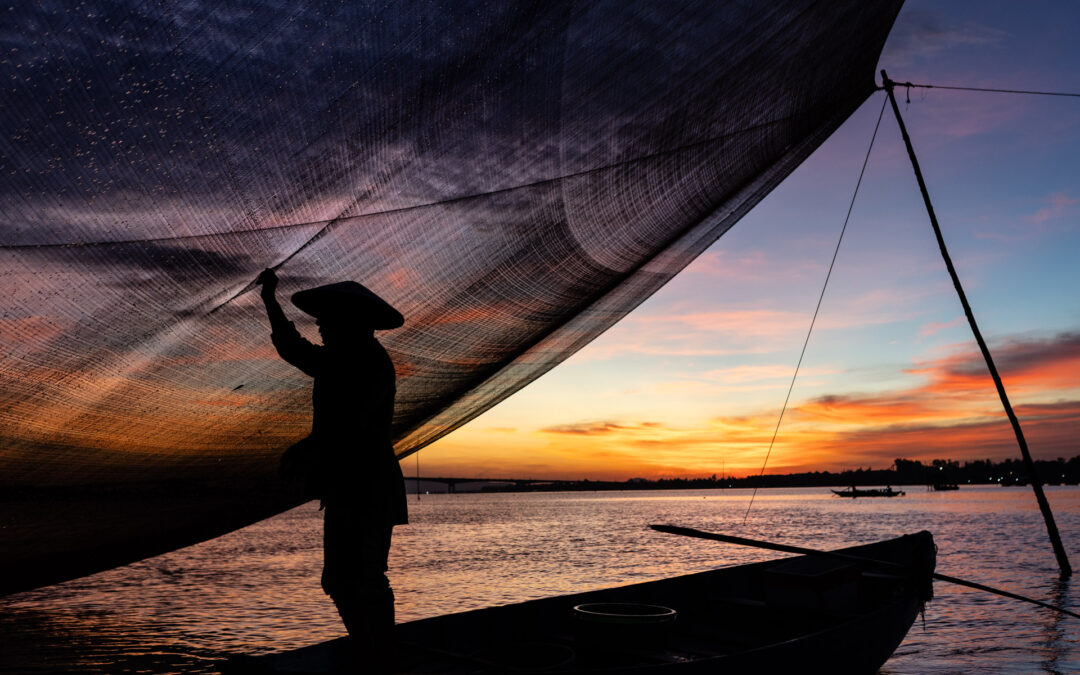
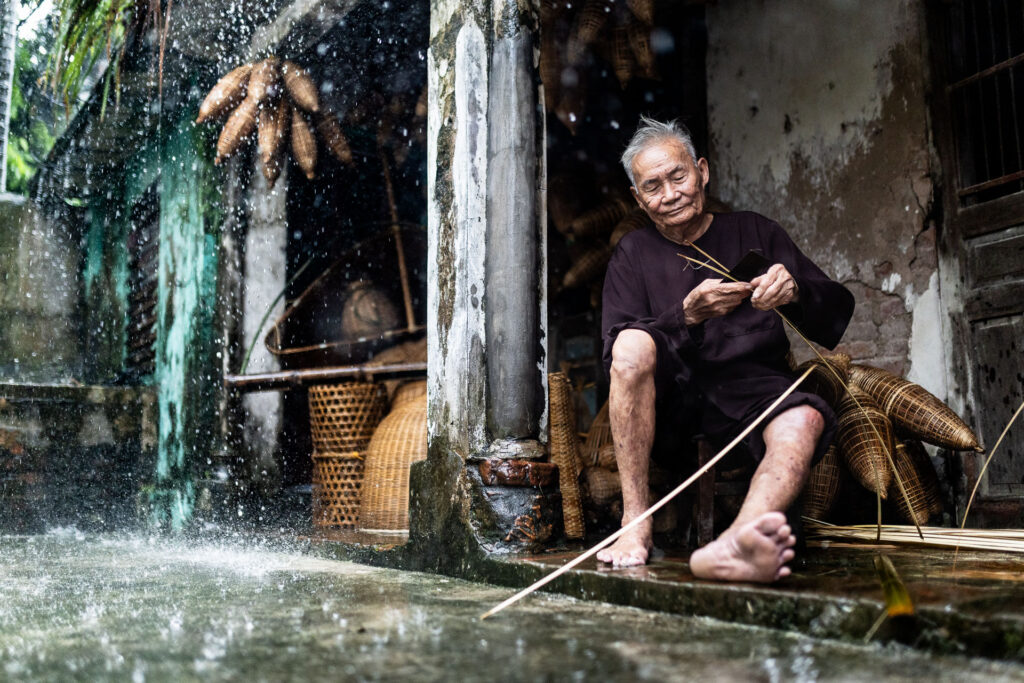
Then, on another day, heavy rain completely disrupted a staged setup with fishing nets and traps. The man couldn’t “pose” or pretend to work as planned. Yet surprisingly, this imperfect, uncontrolled situation produced images far more unique and striking than the usual Instagram-style shots, where photographers add smoke or carefully frame someone working inside a trap. The rain brought atmosphere and authenticity, making the photos feel alive – even though the setup was originally staged. It was a vivid reminder that real-life conditions, chaotic and unpredictable, can elevate a scene far beyond the ordinary “perfect” staged shot. I’m now curious to see which photographer will bring a rain machine next!
While both commercial staging and fake cultural setups involve arranging elements, the key difference is intention. Commercial staging enhances reality for a clear purpose, while forced or repetitive cultural staging can misrepresent life and compromise ethics.
Why Real-Life Photography Matters
If your goal is to grow as a photographer, there’s no substitute for interacting with real people and capturing genuine moments. The unpredictability, laughter, and challenges teach lessons that no staged setup ever can.
Capturing real life requires patience and engagement. Observing genuine moments – the women working naturally, the nuances of daily life – is far more challenging, yet infinitely more rewarding.
The Challenge of Authentic Travel Photography
Capturing reality isn’t easy. It requires patience, awareness, and a willingness to engage with people and their stories. Unlike staged photography, where everything is under your control, real-life moments are fleeting. But it is precisely this challenge that makes authentic travel photography so fulfilling.
As I mentioned in my first blog post, What Kind of Travel Photographer Are You?, photographers must reflect on their intentions. Are you chasing easy, “copy-paste” images, or do you want to develop your skill by embracing reality?
Conclusion: Choose Growth Over Convenience
As travel photographers, we face a choice: create the same staged images everyone else is producing, or embrace the unpredictability and beauty of real life. Authentic travel photography takes patience, interaction, and a willingness to step into the unknown. It’s messy, challenging, and infinitely more rewarding.
So ask yourself: do you want easy, copy-paste shots, or do you want to grow as a photographer and tell the true story of the world? The path you choose will define not just your portfolio, but your connection to the people and places you capture.
I’d love to hear your thoughts: have you faced similar experiences with staged photography, or do you prefer working with real-life moments? Share your stories in the comments below, and if this article resonates with you, don’t hesitate to share it with fellow photographers. Let’s start a conversation about authenticity in travel photography.
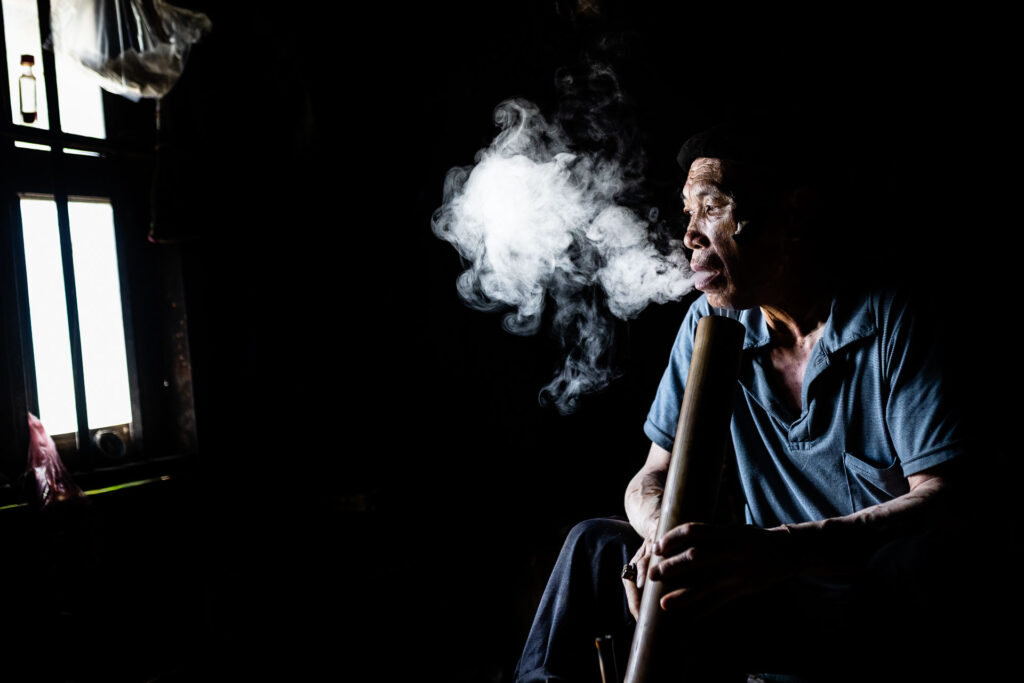
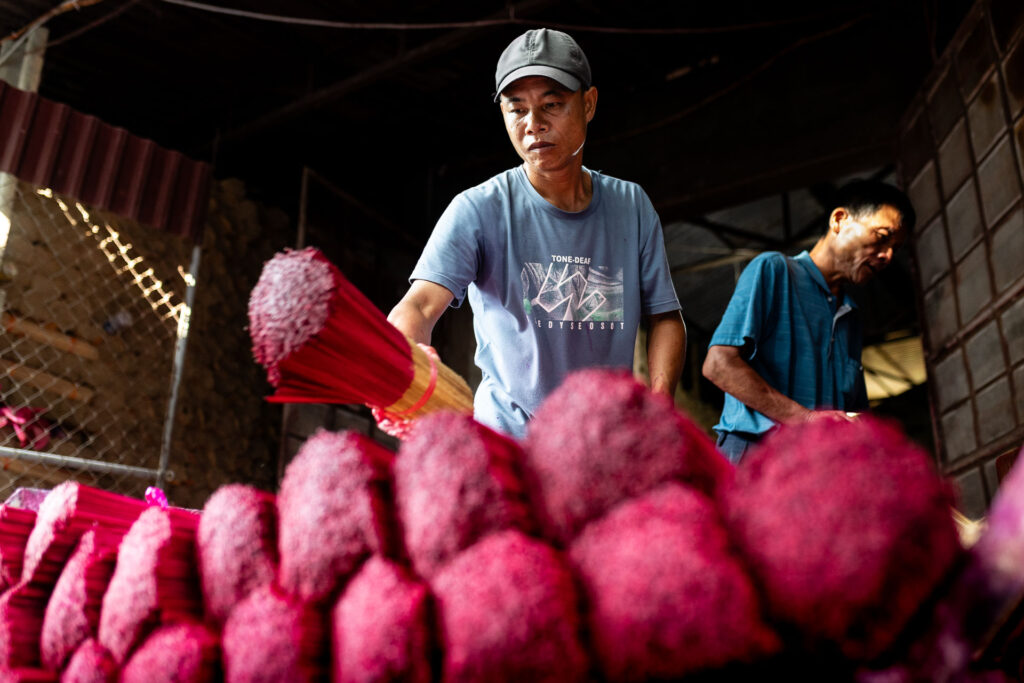
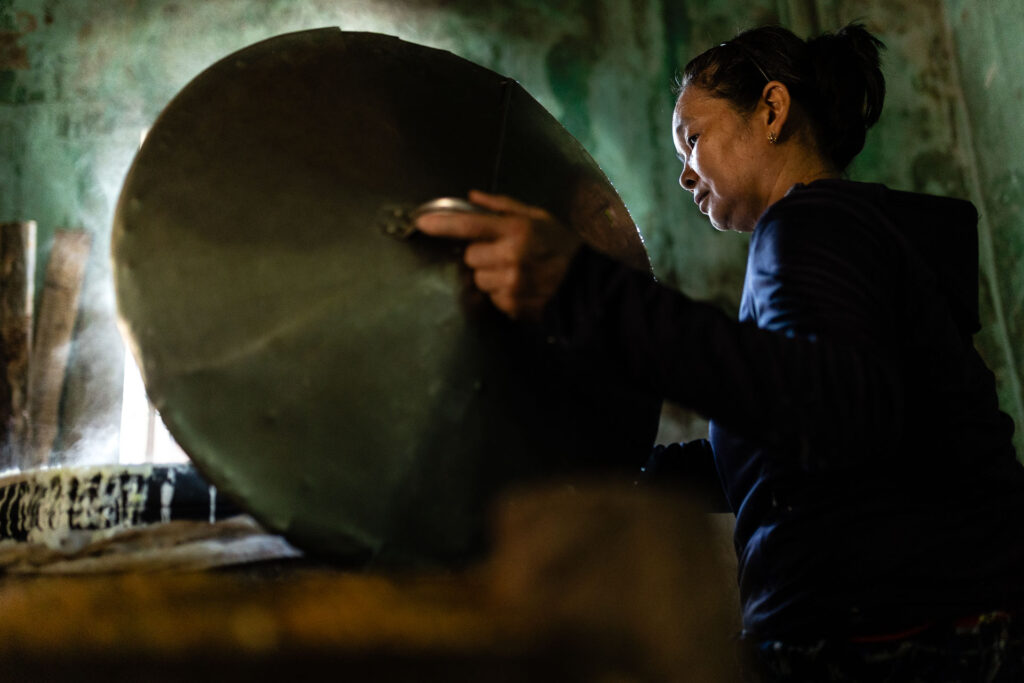
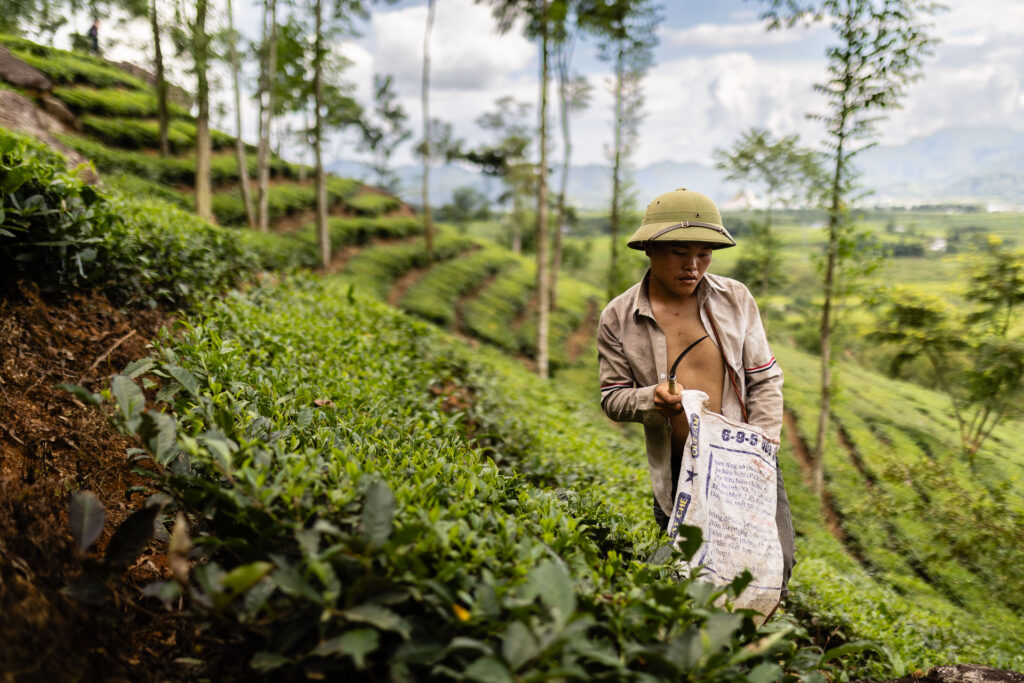
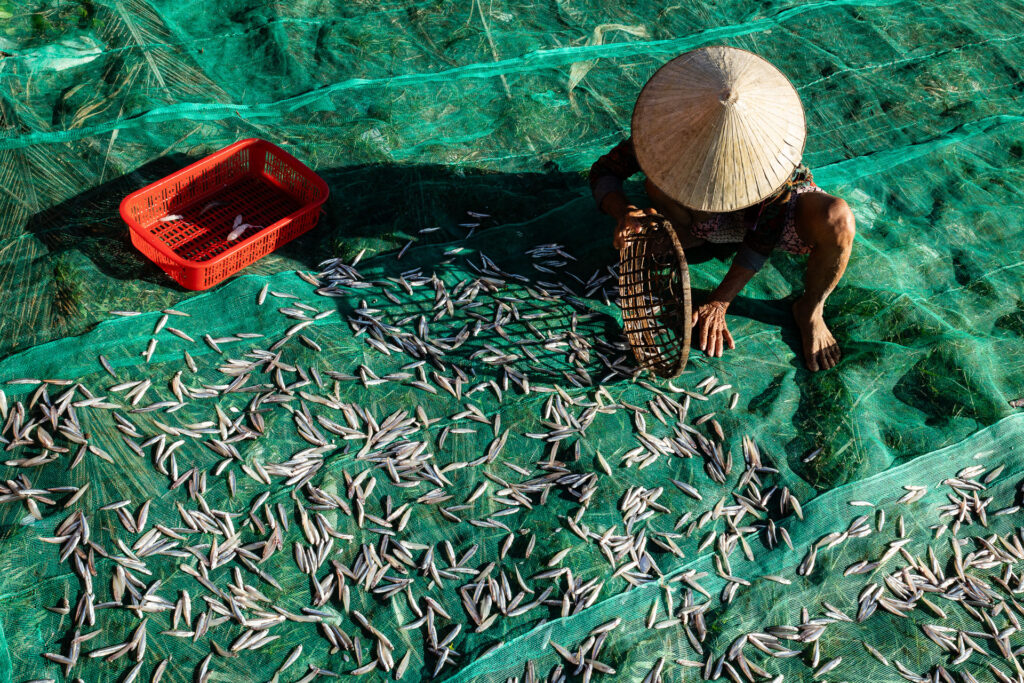
Now, I’d like to share some candid moments I captured on my travels in Vietnam – each with its own challenges – ranging from fishing nets and incense sticks to noodle making and tea plantations.