There are photography tours where everything is prepared in advance for the camera.
The smiling old man sitting perfectly in the light.
The artisan repeating the same gesture ten times a day for different groups.
The “authentic portrait” recreated every week for photographers chasing identical images.
Uzbekistan was never going to be that kind of journey for us.
And honestly, with the group we had this May, it could never have been predictable anyway.
Our small group of photographers arrived in Uzbekistan with completely different personalities, photographic backgrounds and creative approaches. Somewhere between the ancient Silk Road cities, crowded livestock markets, endless cups of green tea and chaotic street scenes, something interesting happened:
The photography became secondary.
Not less important.
Just… deeper.
Because the real beauty of travel photography in Uzbekistan is not only found in the architecture of Samarkand or the famous blue domes of Bukhara.
It is found in the people.
The Real Uzbekistan Cannot Be Staged
That is exactly why we love running an Uzbekistan photography workshop.
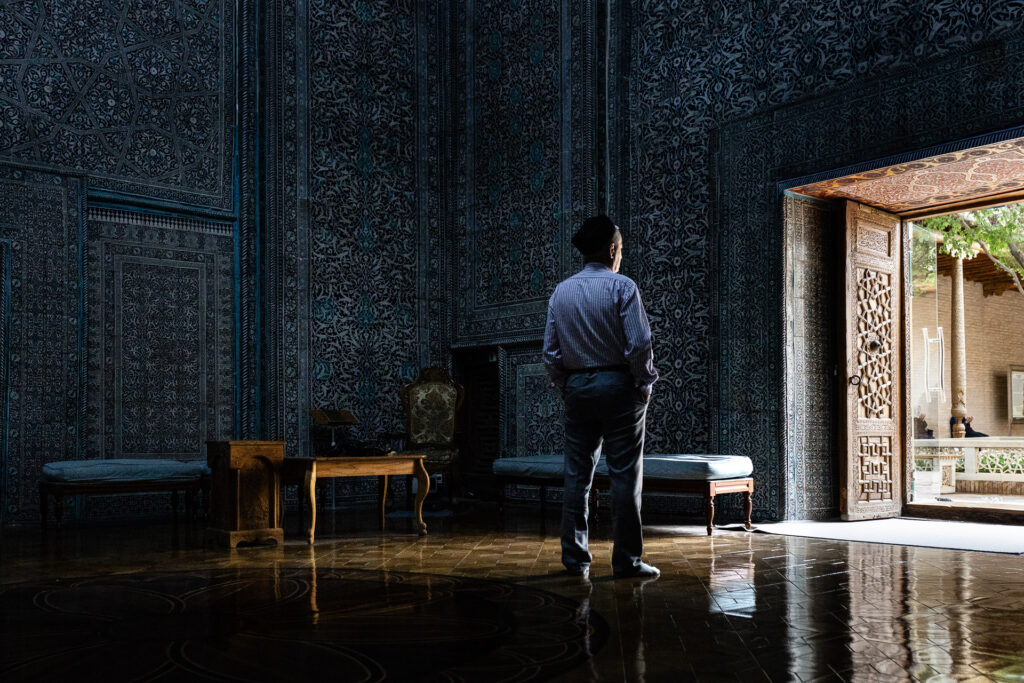
The country does not need artificial experiences designed for tourists. Real life already unfolds naturally everywhere around you.
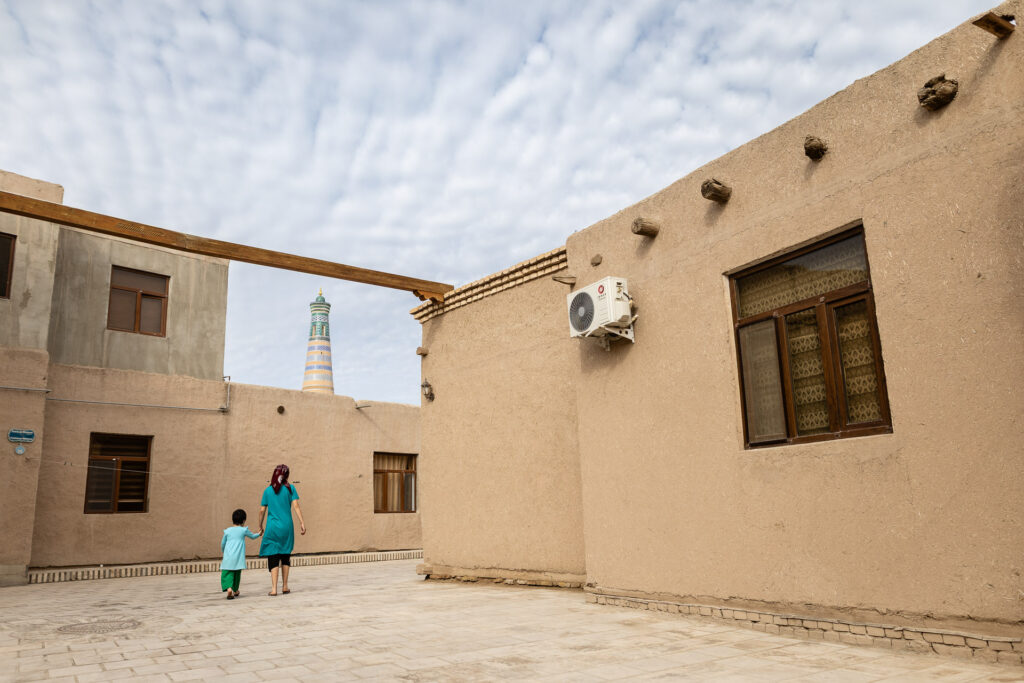
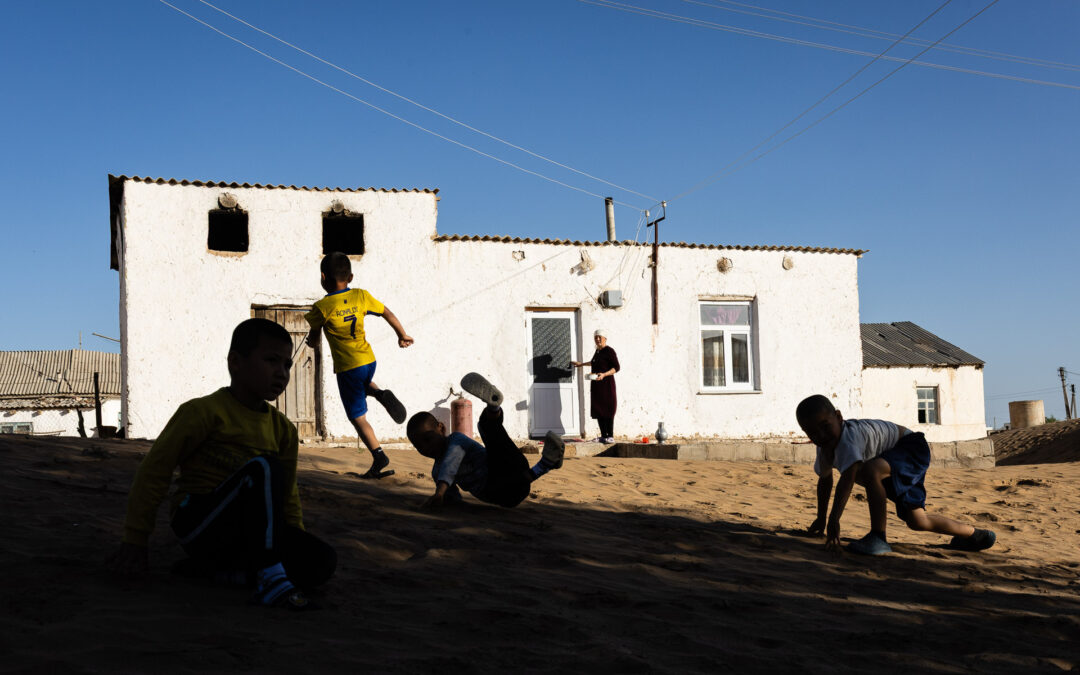
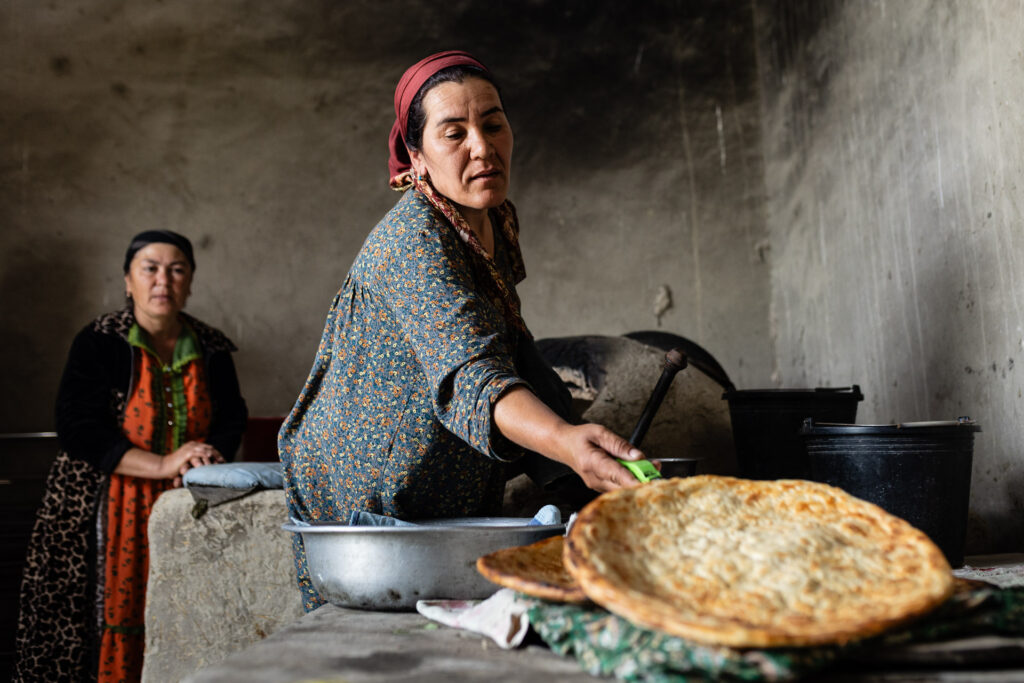
Before sunrise in Bukhara, bakers prepare fresh non bread while the city slowly wakes beneath soft morning light. In Khiva, elderly men gather quietly along ancient walls while children race through narrow alleyways on their way to school.
Markets explode into controlled chaos as traders negotiate loudly over sheep, spices and vegetables. Tea houses fill with conversation. Craftsmen continue traditions passed through generations.
Nothing is waiting for photographers.
And that is precisely what makes Uzbekistan one of the most rewarding destinations for documentary and street photography in Uzbekistan.
The strongest travel photographs rarely come from staged scenes.
They come from patience, curiosity and genuine human connection.
Adrian and Monique — A Perfect Match for Street Photography
Every photography workshop develops its own chemistry, and this journey found its balance very quickly thanks to Adrian and Monique.
Not only because they are both exceptional photographers, but because they are also partners in life — something immediately visible in the way they move, observe and photograph together.
Adrian, an award-winning street photographer, has the almost supernatural ability to detect moments before anyone else notices them. While most photographers are still deciding whether to raise their camera, Adrian has already anticipated the scene and quietly captured the image.
Monique brings decades of photographic experience, a highly technical eye and a calm precision that perfectly balances Adrian’s instinctive street photography approach.
Together, they were unstoppable.
Or at least unstoppable until one of them spotted an interesting alleyway and disappeared without warning.
Watching them photograph Uzbekistan together was honestly one of the highlights of the workshop. No ego. No performance. Just two photographers completely immersed in the rhythm of the streets, constantly observing, smiling and encouraging the rest of the group.
Which, in many ways, perfectly reflected the spirit of authentic travel photography in Uzbekistan.
Steeve and Discovering the Human Side of Photography
Then there was Steeve.
A passionate landscape photographer with a love for dramatic light, strong compositions and, naturally… drones.
Unfortunately for Steeve — and probably fortunately for Uzbek airspace — drones are not allowed into Uzbekistan.
Which meant his beloved flying companion remained at the airport while the rest of us continued the adventure.
There was, understandably, a brief moment of emotional recovery.
But something interesting happened after that.
At first, the architecture of Samarkand and Khiva offered everything a landscape photographer could dream about: symmetry, scale, textures and beautiful light.
But over time, the real moments started pulling him somewhere else.
Into conversations.
Into markets.
Into the unpredictable rhythm of everyday Uzbek life.
By the end of the workshop, it became clear that photography was no longer just about tripods, sunrise locations or technical perfection.
Uzbekistan had reminded him that photography can also be an excuse — perhaps one of the best excuses — for genuine cultural connection.
Somewhere between the markets of Bukhara, the streets of Khiva and countless cups of tea, Steeve discovered a different rhythm of photography: slower, more human and far less predictable than any carefully planned landscape shoot.
Cheng and the Streets of Uzbekistan
For Cheng, this was already her third photography workshop with us after Vietnam and Cambodia, but this journey confirmed something important:
Street and people photography had become her true photographic language.
Uzbekistan gave her exactly the environment she needed — layered streets, spontaneous interaction, movement, emotion and endless unscripted moments.
Watching Cheng photograph alongside Adrian and Monique quickly became one of the highlights of the trip. The three of them naturally connected through the same quiet observational approach to photography.
No loud directions.
No staged scenes.
No obsession with social media photography.
Just patience, curiosity and immersion.
And Uzbekistan rewards that approach endlessly.
In Tashkent’s streets, inside local tea houses and throughout the markets of Bukhara, Cheng kept finding moments that cannot be planned — the kind of photographs that only happen when photographers stop chasing images and start paying attention to people.
Delphine Returns to Uzbekistan
And then there was Delphine.
After a long pause since 2021, having her join us again felt genuinely special.
We had already shared unforgettable experiences together during several photography workshops in Cambodia, so seeing her return to travel photography in Uzbekistan felt less like welcoming a guest and more like reconnecting with an old friend.
One of the most rewarding parts of photography workshops is seeing how photography reconnects people with curiosity, confidence and emotion after time away from the camera.
And Uzbekistan was the perfect place for that return.
Because this country constantly encourages photographers to slow down.
To observe.
To listen.
To experience first and photograph second.
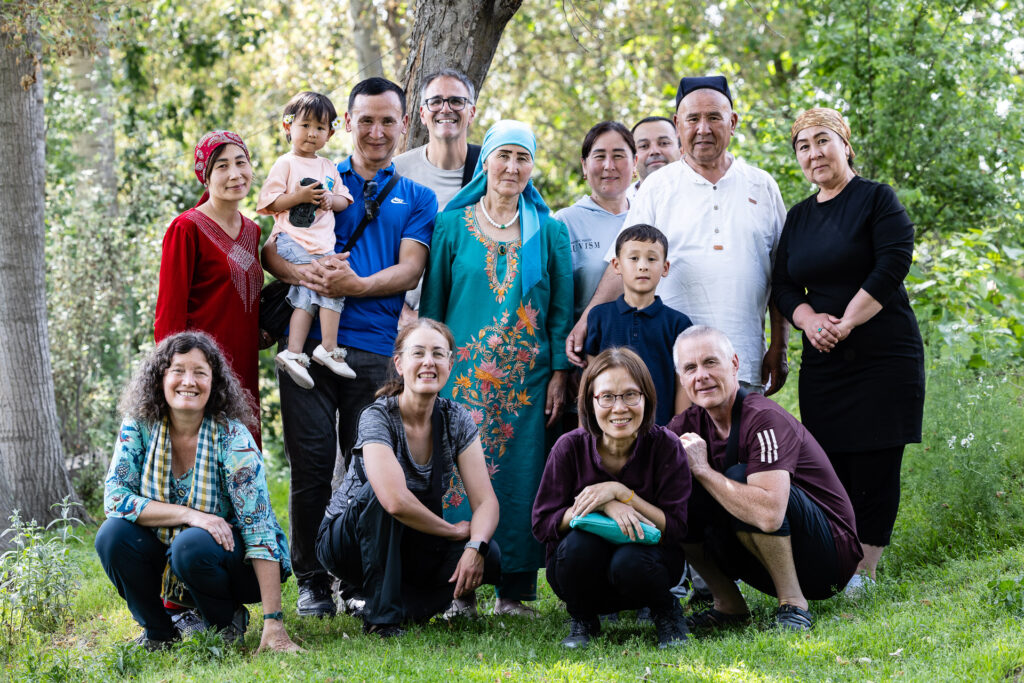
The Ones Who Will Return
This workshop group was also supposed to include Tomoko and Carol.
Unfortunately, both had to cancel the trip for personal reasons shortly before departure.
But honestly, we prefer thinking about it differently:
Uzbekistan simply gave them the perfect excuse to come back later.
Because once you hear stories about sunrise in Khiva, chaotic livestock markets, endless tea breaks and Adrian disappearing into random alleyways chasing “one last shot,” it becomes very difficult not to want to experience the Silk Road yourself.
We know their time will come.
And Uzbekistan will still be waiting.
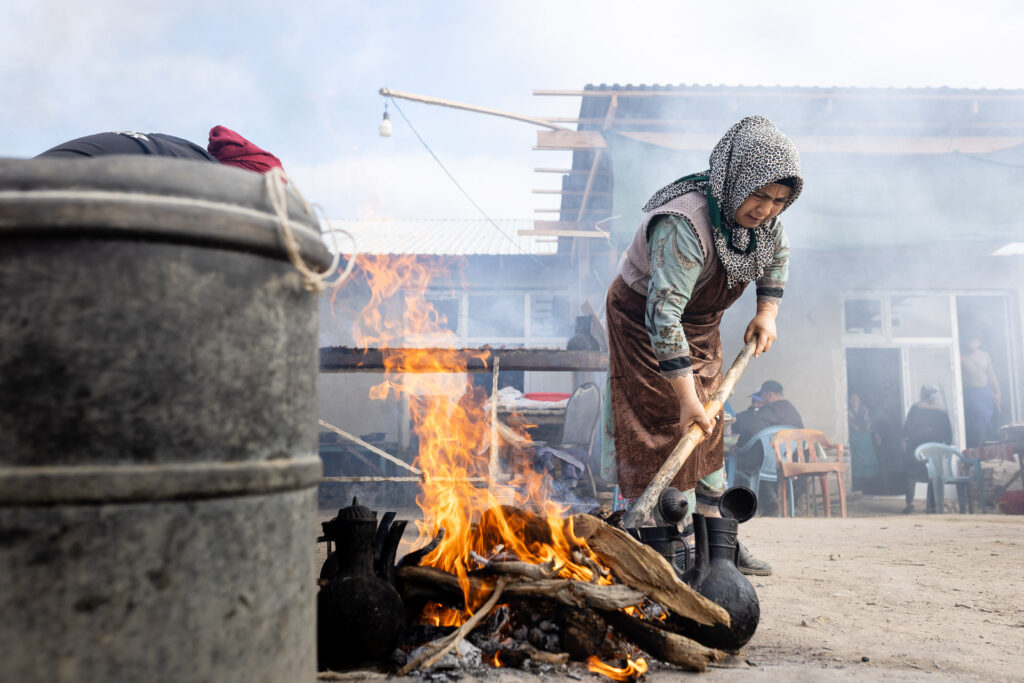
Beyond the Famous Silk Road Monuments
Most Uzbekistan photography tours focus heavily on architecture.
And yes, the architecture is extraordinary.
The Registan in Samarkand deserves every bit of its reputation. Khiva at sunrise feels almost unreal. Bukhara’s ancient streets remain one of the most atmospheric places in Central Asia.
But the real soul of Uzbekistan exists beyond the monuments.
It lives in the rhythm of daily life.
In crowded bazaars.
In quiet courtyards.
In conversations shared over tea.
In the warmth and curiosity of the people themselves.
That is the Uzbekistan we focus on during our photography workshops.
Not staged experiences.
Not manufactured authenticity.
But real encounters with real people.
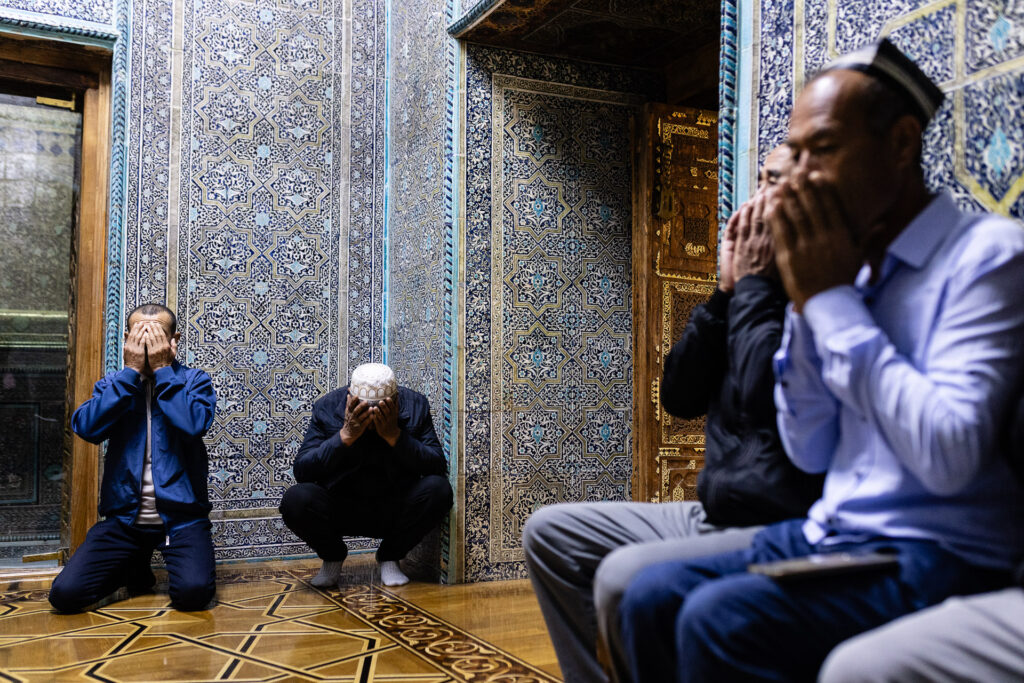
Why Authentic Travel Photography Matters
Modern travel photography often becomes repetitive.
Photographers rush between famous locations collecting images like souvenirs while social media quietly encourages everyone to reproduce the same photographs over and over again.
But documentary travel photography works differently.
And Uzbekistan naturally encourages a slower, more immersive approach.
Some of our strongest moments this May happened nowhere near famous landmarks:
A spontaneous conversation inside a dusty market.
A shared meal in a small village.
A silent moment in a backstreet of Khiva.
A tea house filled with afternoon light.
An old man laughing after noticing six photographers trying far too hard to be discreet.
These moments cannot be scheduled.
And they certainly cannot be staged.
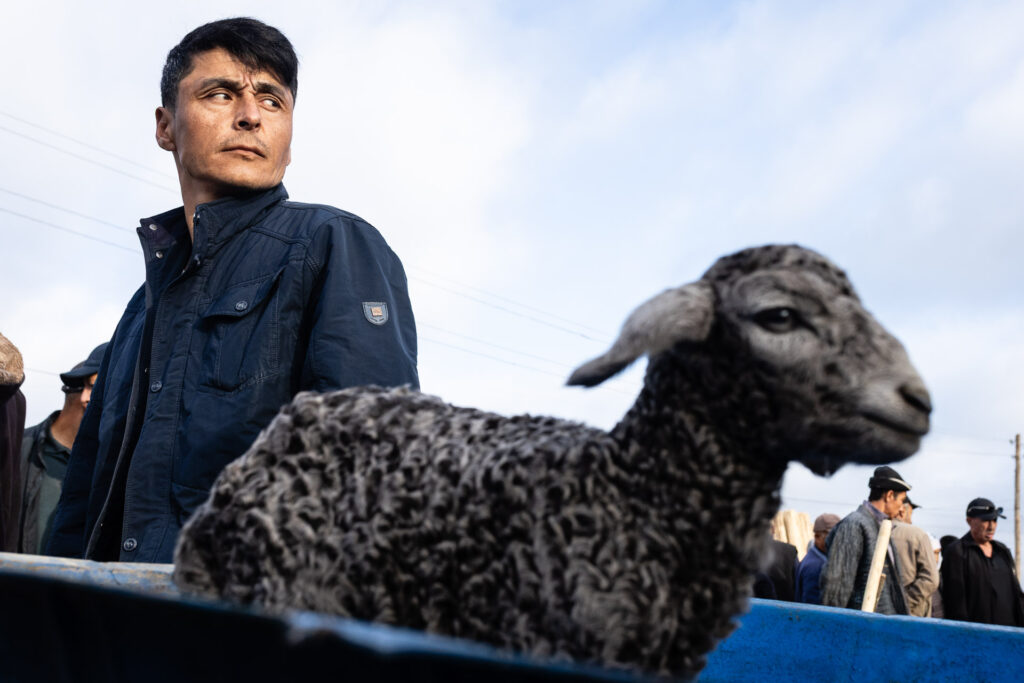
The Real Uzbekistan
There is still something beautifully honest about Uzbekistan.
Not because the country is frozen in time, but because daily life remains deeply connected to tradition, community and human interaction.
For us, photography workshops are not about creating artificial experiences designed purely for cameras.
They are about immersion.
Meeting real people.
Experiencing real culture.
And allowing photography to grow naturally from those experiences.
Because the photographs that stay with us the longest are rarely the staged ones.
They are the moments that felt real when we lived them.